We map the process
We sit down with the people who run the process and write it down as it really is — workarounds and spreadsheets included. This is usually where it turns out the problem is not the lack of a system.
Since 2013 we have been organising and digitising processes in Polish companies — on the shop floor, in the warehouse and in the office. Experience from dozens of implementations.
We started in 2013 with one question we still hear today: why do a company’s most important processes live in spreadsheets, inboxes and a handful of people’s heads. Our first deployments were in manufacturing — where the cost of disorder shows up fastest, because it lands straight on deadlines and margin.
Over the years we moved from single tools to a catalogue of several dozen process modules that combine into one system. One thing has not changed: we start with the process, not the technology. First we understand how a company actually works, and only then decide what is worth digitising — and, just as importantly, what is not.
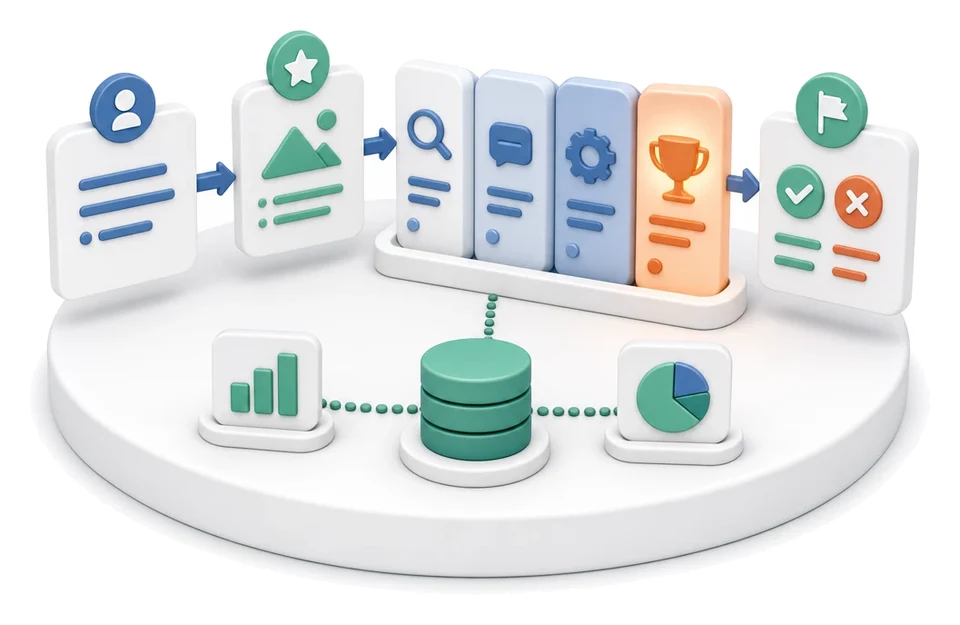
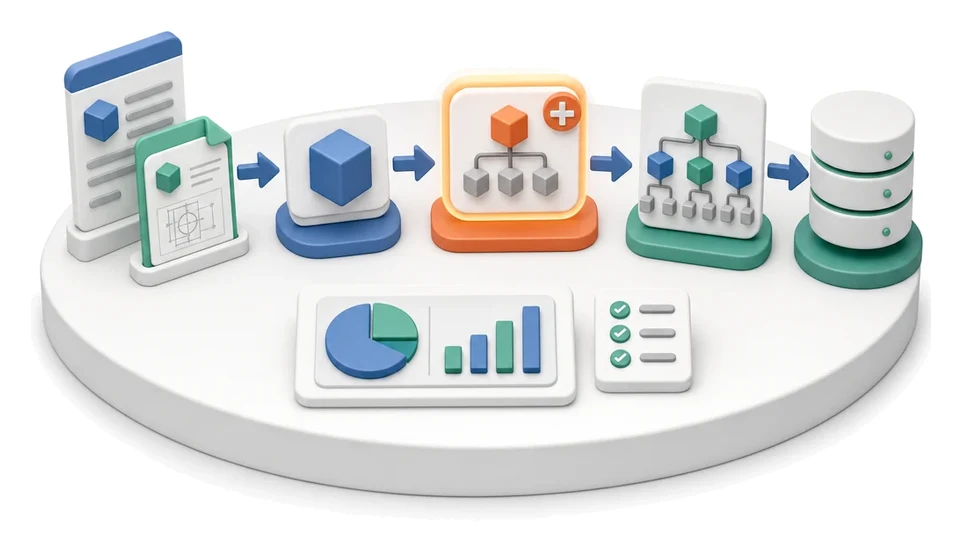
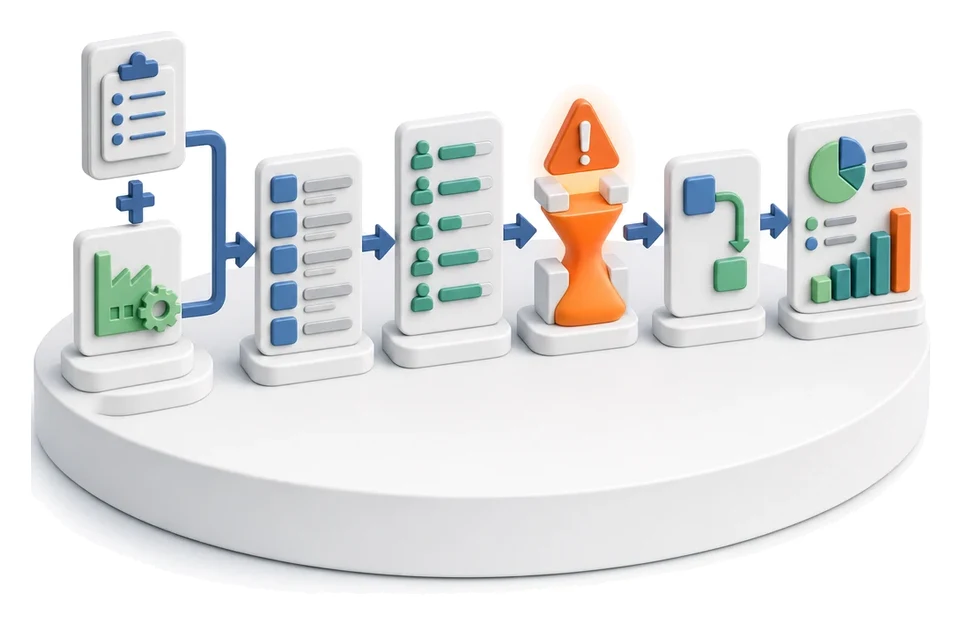
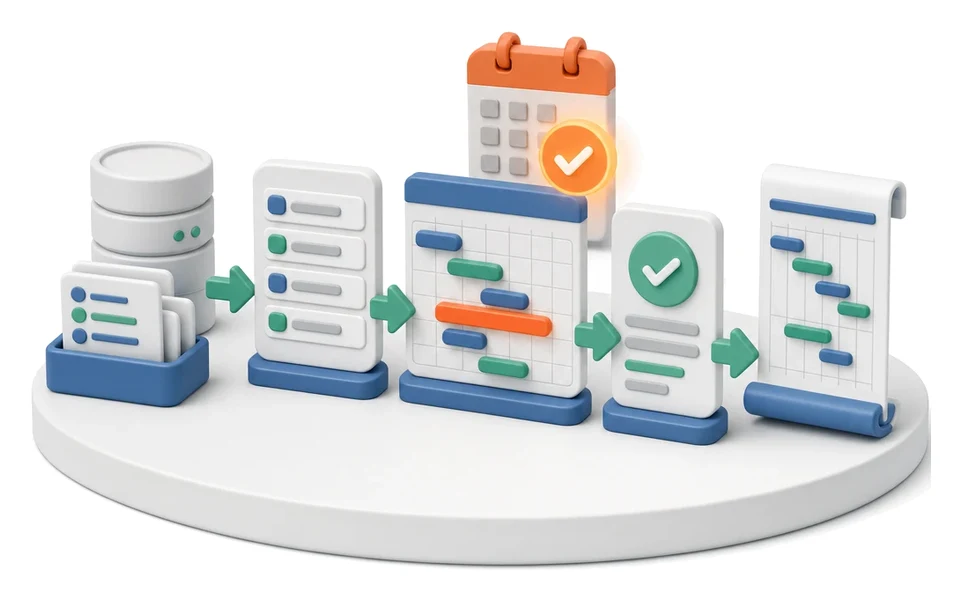
The sequence we repeat in every deployment. We do not start by choosing a system, but by understanding the process — and we do not finish on go-live day.
We sit down with the people who run the process and write it down as it really is — workarounds and spreadsheets included. This is usually where it turns out the problem is not the lack of a system.
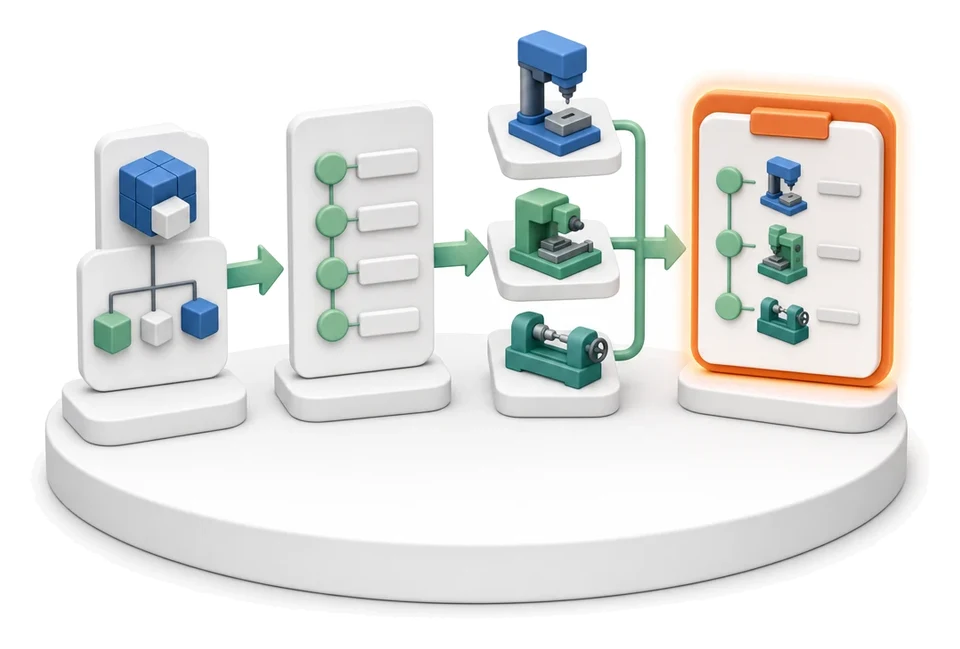
We pick the process that hurts most and take it all the way through. A short cycle instead of a year-long project — after a few weeks you can see whether it works, before deciding about the rest.
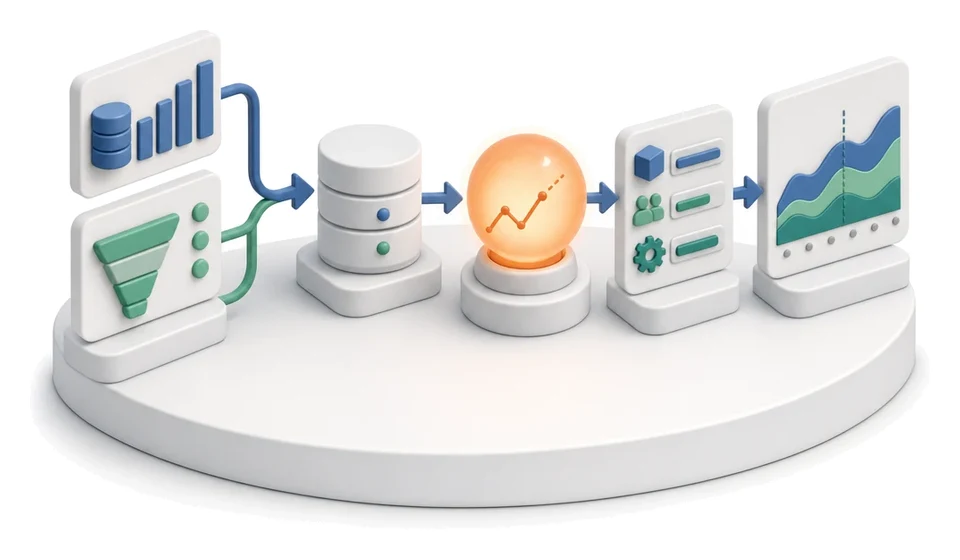
Every system has a feedback mode: an employee marks a spot on the screen and describes what gets in the way. The report goes into the change queue with its context, not onto a wish list nobody returns to.
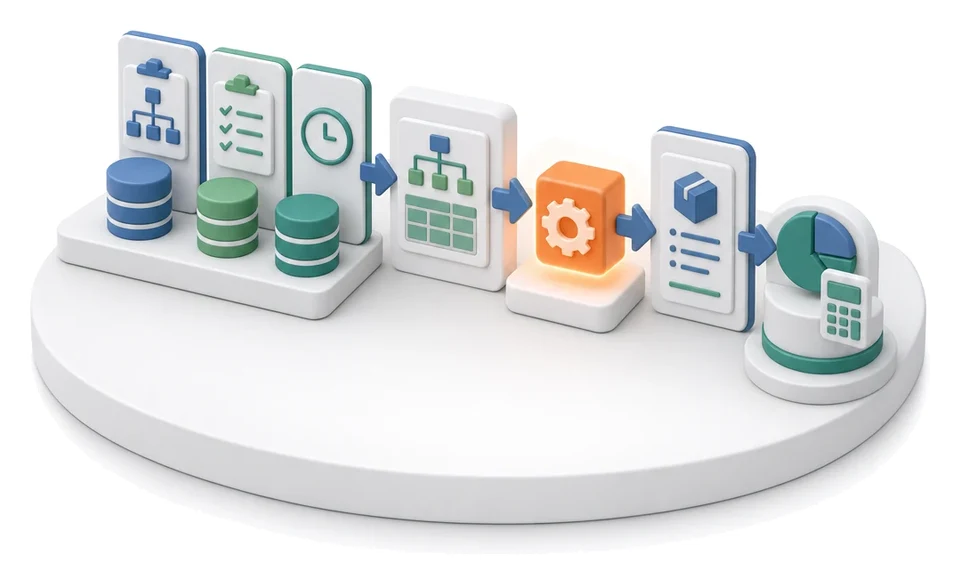
The system grows with the process, not ahead of it. The next module arrives once the previous one has taken hold — so a company does not pay upfront for features it may never use.
Modules are built in code — React on the interface, Python in the logic, PostgreSQL in the data. This is not a low-code or no-code platform where you can only build what its vendor anticipated. AI gives us the pace of writing that code, not the limits of what we can build. In practice it means an unusual process does not end the conversation with “that cannot be done”.
Our mission is to maximize the efficiency of enterprises through digital transformation. We do not merely deploy tools — we combine advanced technology with a shift in people’s mindset and the building of a culture of continuous improvement, focusing on real business impact.
We want digitising a process to stop being a one-quarter project and become something a company does on its own, in small steps. Our role ends when the client’s team reports improvements faster than we can propose them — and the system keeps up with change instead of blocking it.
We look at business as a whole. We combine technological expertise with an understanding of market mechanisms.
Technology is a means to an end. The measure of success is a real return on investment (ROI) and increased profitability.
We are guides through change. We build relationships based on trust, advising on the best solutions.
We deliver systems that evolve with the company and drive its continuous progress instead of holding it back.
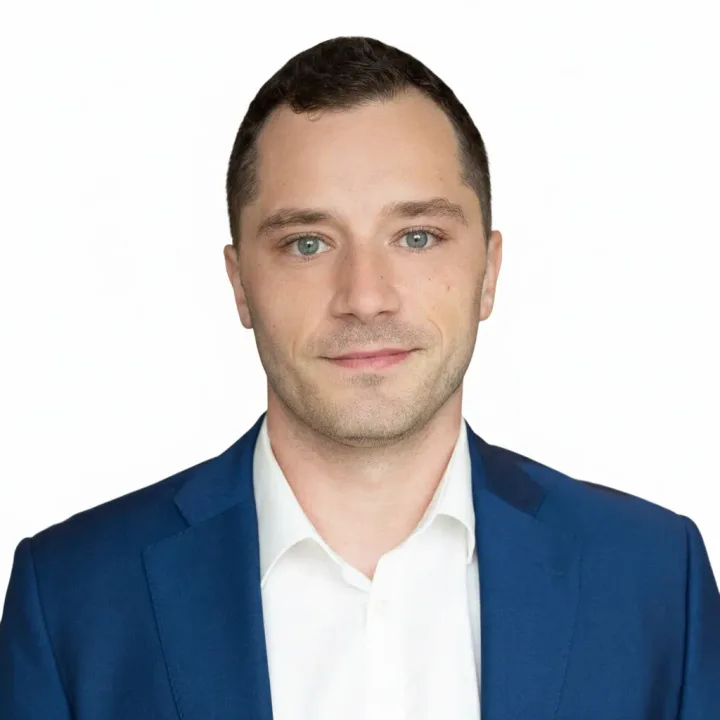
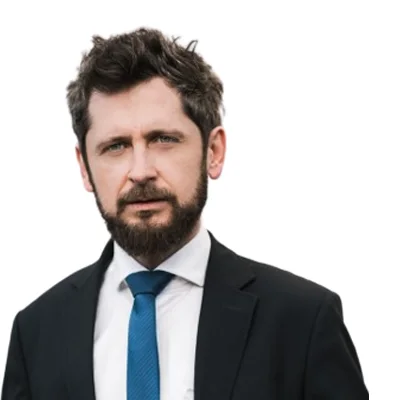
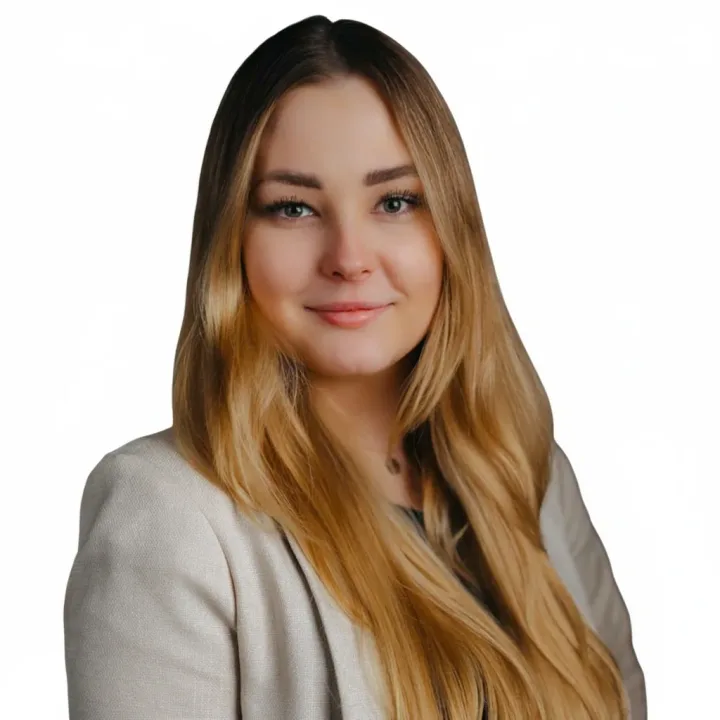
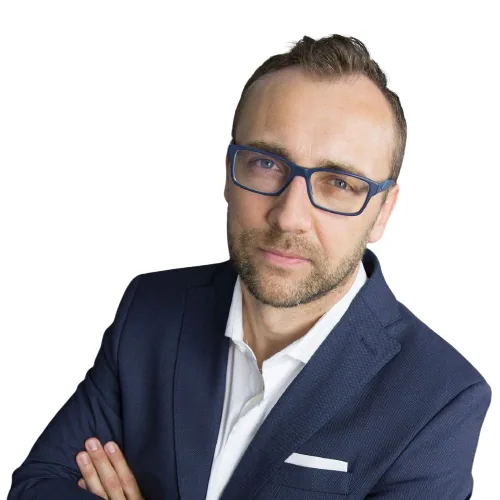
Meet the experts who will help you with your digital transformation
A long-standing Lean business consultant, specializing in growing businesses with a process-oriented approach and process optimization. A change leader with experience in digital transformation and the automation of business processes.
A process engineer with experience at artgeist. He specializes in process control, data processing and building process applications. Since 2020 he has been creating process applications for ProcessApp clients.
A specialist with experience in onboarding and marketing automation. She creates intelligent campaigns using AI, supports clients during implementations and runs training sessions. An expert in building client relationships and optimizing business processes.
An expert in process improvement and a change leader with experience as a production director in three industries. As a project manager he has delivered over 50 projects, helping companies operate faster and more efficiently.
A consultant and sales engineer with international experience in the industrial and automotive sectors. He has delivered projects in logistics, production planning and supply chain management, supporting the digital transformation of operational processes in Poland and abroad.




We offer a wide range of process applications that can be tailored to the individual needs of your company. From customer relationship management to the optimization of logistics processes, our applications help automate and simplify everyday business operations.
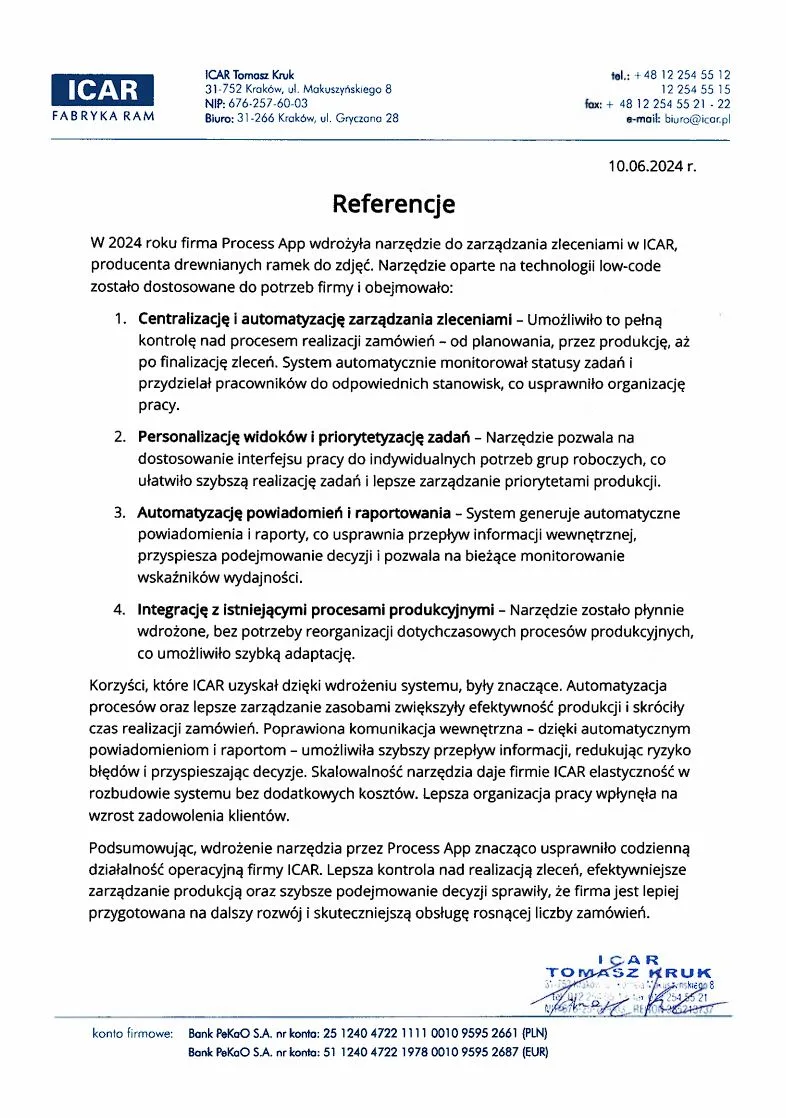
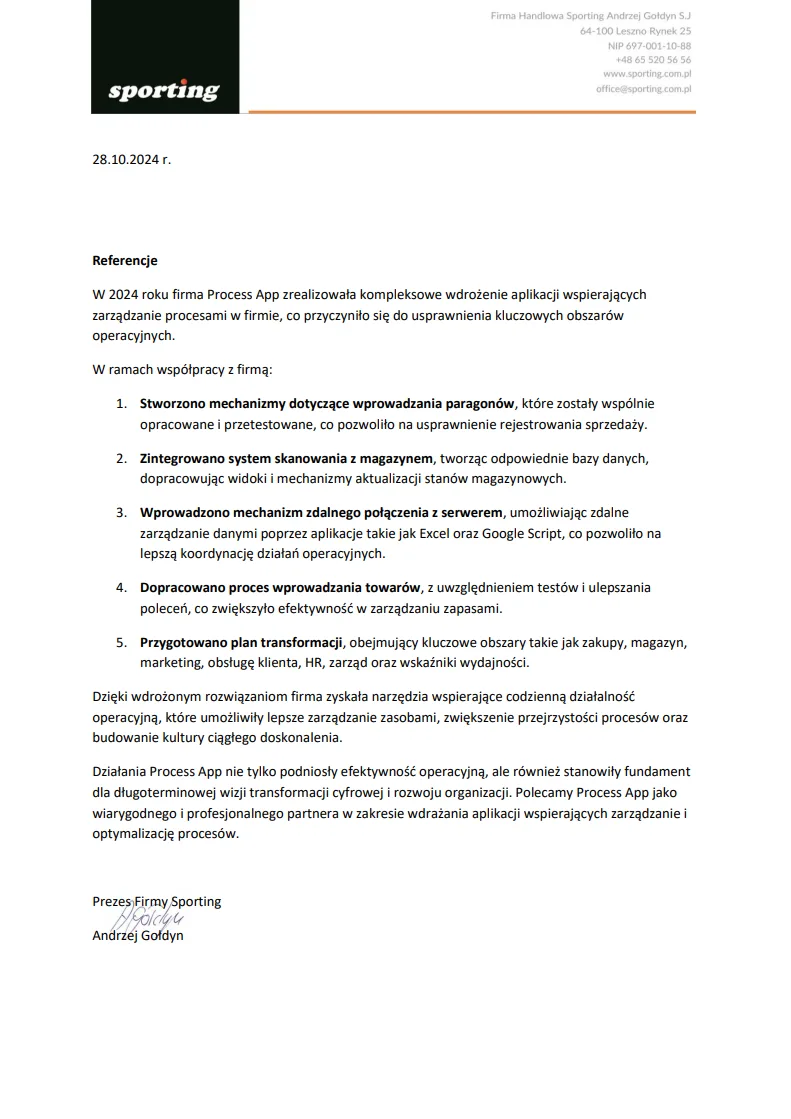
See how our solutions are changing business — the opinions and successes of our clients
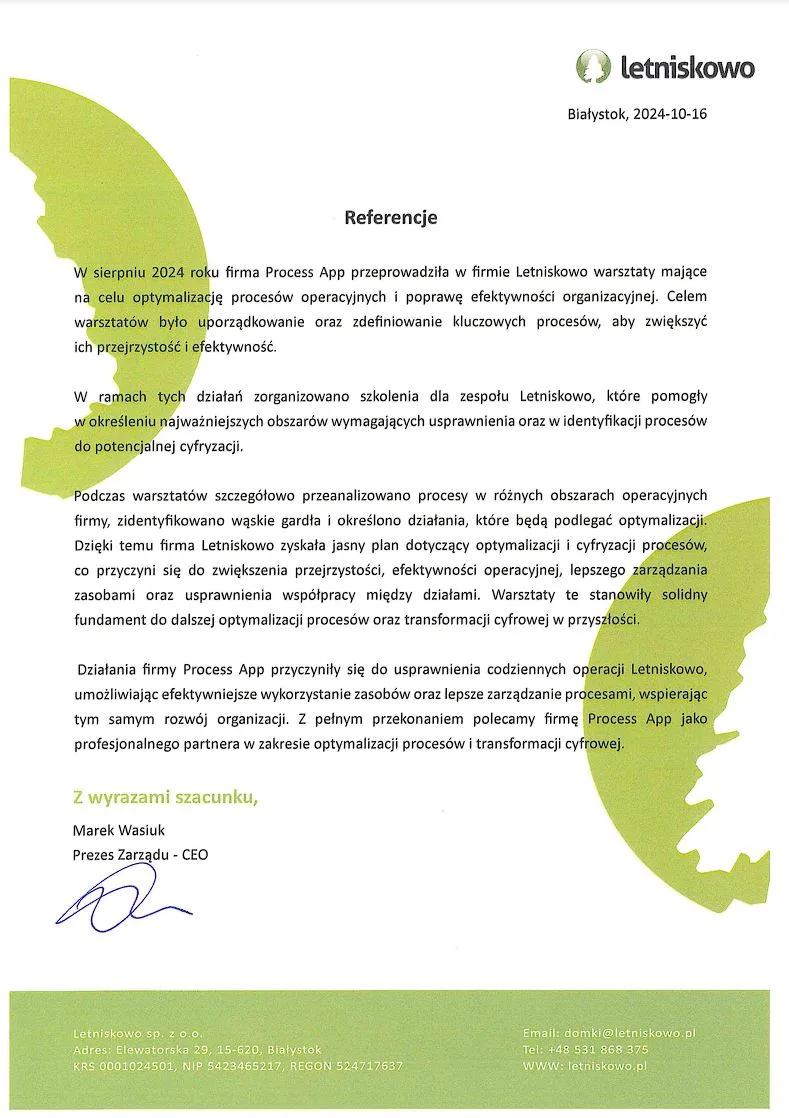
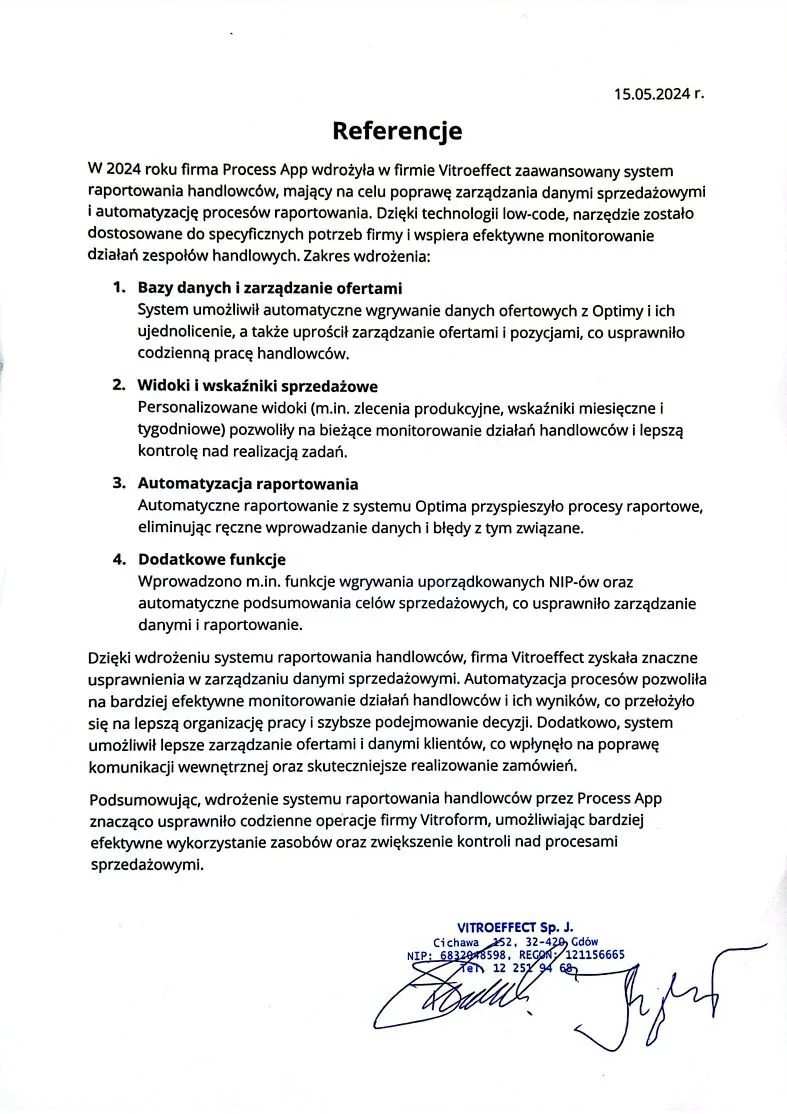
We do not sell a licence for a finished system that your process has to fit into. We start with a map of how you work today, launch one module, check whether it works — and only then add the next. The code is ours, the data is yours, and every note from the screen goes into the change queue, not the bin.