Real-time quality control
Operators fill in checklists on tablets. Every alert reaches the shift leader and quality department instantly.
We digitalize production floors: from quality control and production planning, through OEE tracking, to full real-time management reporting. The end of paper checklists and Excel.

Operators fill in checklists on tablets. Every alert reaches the shift leader and quality department instantly.
Automatic calculation of OEE, availability, performance and quality. Bottleneck identification backed by data.
Visual schedules with drag & drop, automatically accounting for raw material and operator availability.
Every batch, pallet, operator — complete history from raw material to shipment. Essential for ISO and audits.
Digital checklists, statistical process control, deviation alerts, inspection reports.
Visual planners, automatic machine load balancing, ERP integration.
Real-time indicators, dashboards for shift leaders and management.
Non-conformity logging, root-cause analysis, corrective actions, effectiveness monitoring.
Inspection schedules, fault reports, repair history, spare parts inventory.
Each module describes one process from input to output — with screens, the flow and the roles that work on it.
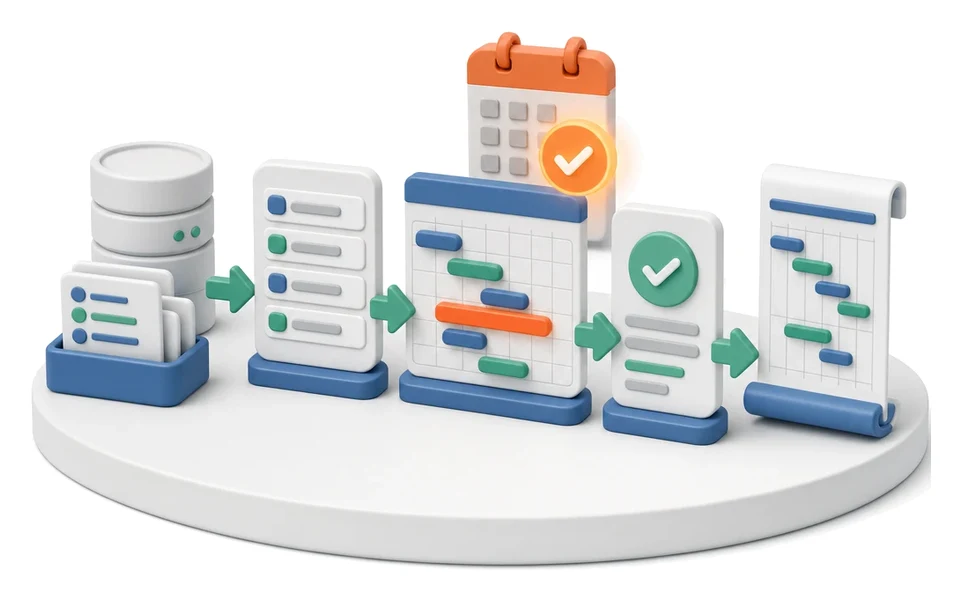
Is your production plan just a wish list that collapses at the first delay? The Planning module turns orders and workloads into a realistic schedule with concrete start and end times for each operation. AI algorithms analyse available capacity and forecast data to automatically optimise task allocation and prevent crew overload.
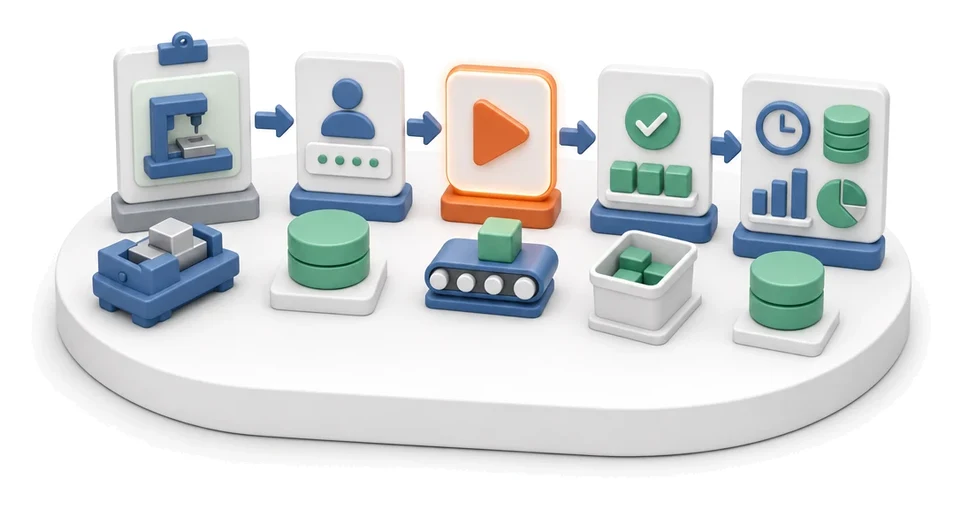
Wasting time retyping paper job cards and counting scrap by hand? The MES Terminal module lets operators quickly report time, good parts and rejects directly at the workstation. AI algorithms analyse collected data, recommending optimal batch sizes and monitoring machine health based on reported cycles.
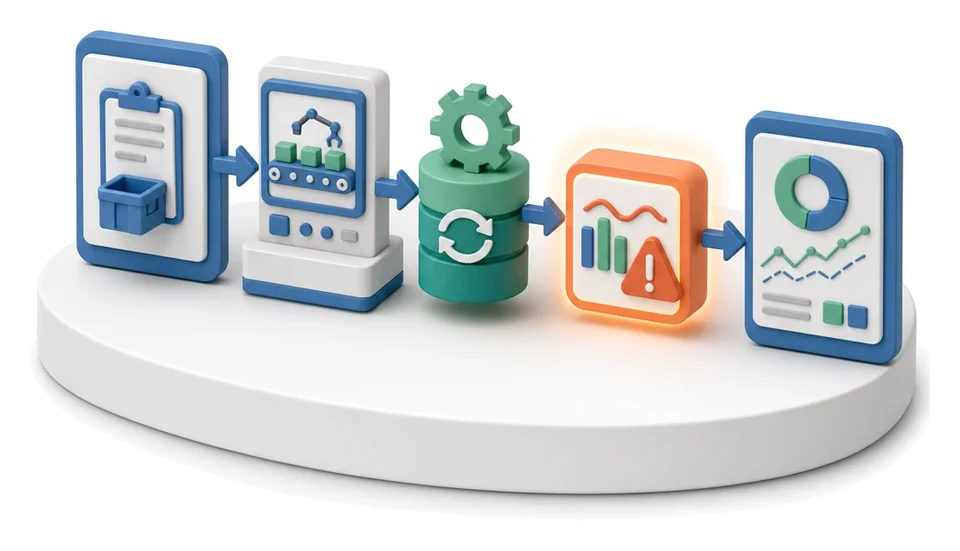
You waste time finding out what’s really happening on the shop floor and whether orders are running to plan? The Execution Progress module continuously compares production reports with the planned schedule, giving you a full real-time picture. Artificial intelligence algorithms analyse department workloads and predict the risk of delays at each stage.
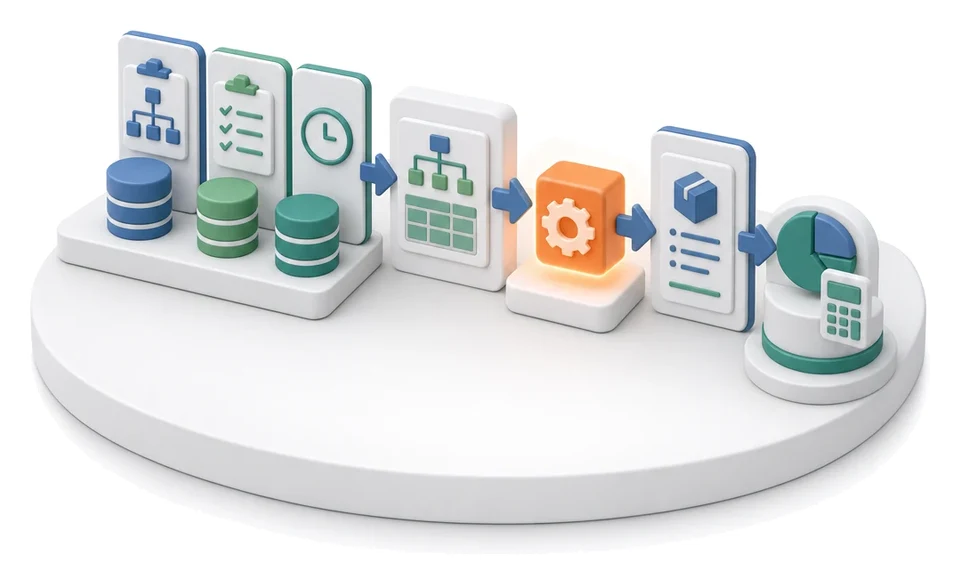
Are you guessing production costs instead of basing your price list on hard data? The Technology module links BOM structures, routings and time standards to deliver an accurate technical cost for every product. Artificial intelligence mass-generates routings for many products at once, saving hours of manual engineering work.
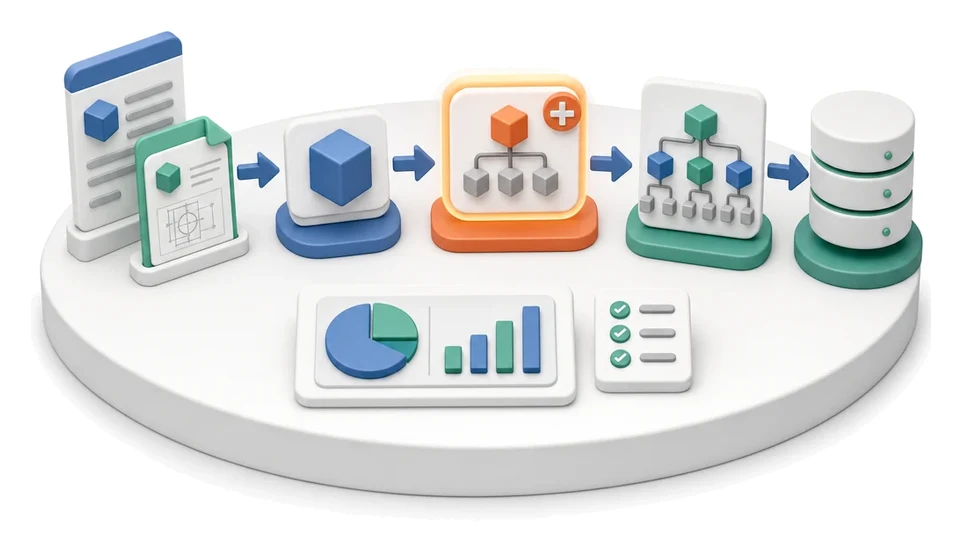
Wasting time manually recalculating material costs for every product variant? The Technologia module lets you comprehensively build and manage multi-level Bills of Materials (BOM) as the basis for material planning and costing. AI algorithms automatically generate cutting plans and optimise minimum stock levels for raw materials.
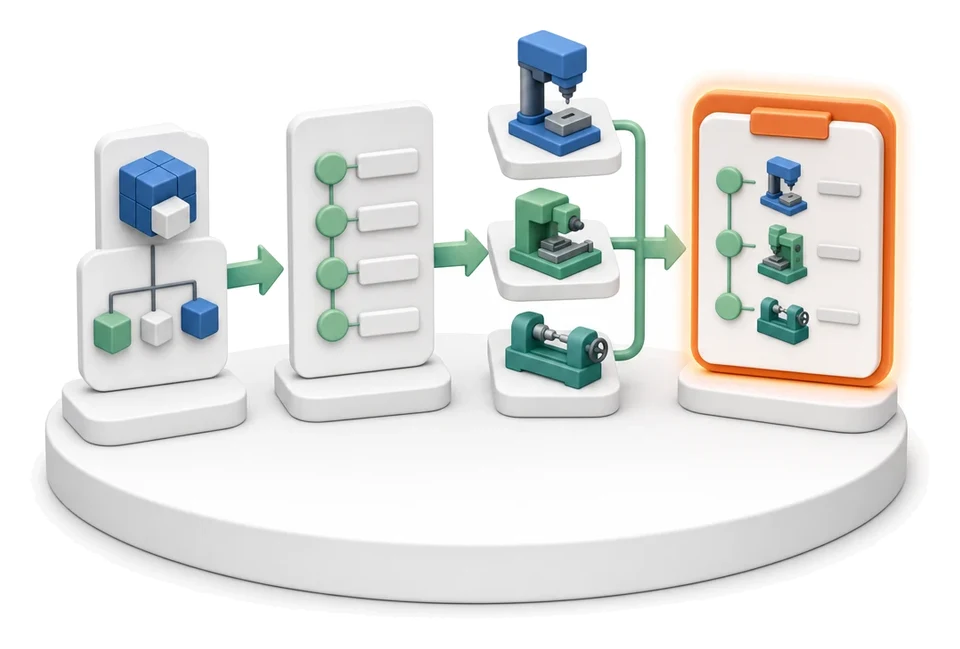
Spending too much time manually defining operation sequences and calculating production costs for every item? The Technology module lets you manage products end-to-end by assigning precise routings, time standards, and dedicated workstations and machines. Built-in AI algorithms automatically generate production steps based on historical data, drastically speeding up the technologist’s daily work.
Everything worth knowing before starting digitalization in your industry.
A free consultation where you will see examples of implementations in similar plants and receive a preliminary quote.
Book a free consultation