
End of Silos: Why E-Commerce Must Talk to the Production Floor
In 2026, the online retail market has reached a point where a fast, intuitive front-end is merely the bare minimum. The real challenge lies in the growing disconnect between the digital storefront and an outdated, often isolated production back-end. Success in online sales — both in B2C and B2B — now depends on the immediate flow of data straight from the shopping cart to the factory floor.
From Fast Shipping to On-Demand Production
The evolution of customer expectations has completely changed the rules of the game. We have moved from simply requiring the shipment of finished goods from a warehouse to an era of deep personalization and on-demand manufacturing. Retail customers and business partners alike expect unique products created precisely to their specifications. The time between placing an order and starting production must be reduced to zero, which demands instant, digital communication along the shop-to-factory line.
Bottlenecks of Traditional Operating Models
This is where the critical bottlenecks of traditional operating models become apparent. Even the most beautiful, responsive online store will prove useless when order fulfillment on the shop floor relies on paper documentation and manual data re-entry. Comprehensive digitalization of production processes is now a prerequisite for market survival. An integrated, modern ERP for retail and e-commerce must seamlessly exchange information with machinery, updating inventory levels and schedules in real time.
Likewise, an advanced CRM for B2B sales should communicate directly with the production department. Only then can sales representatives offer key clients precise delivery timelines based on actual production capacity. The absence of this integration leads to costly logistical errors and the irreversible loss of contractor trust.
A Seamless Ecosystem from Click to Shipment
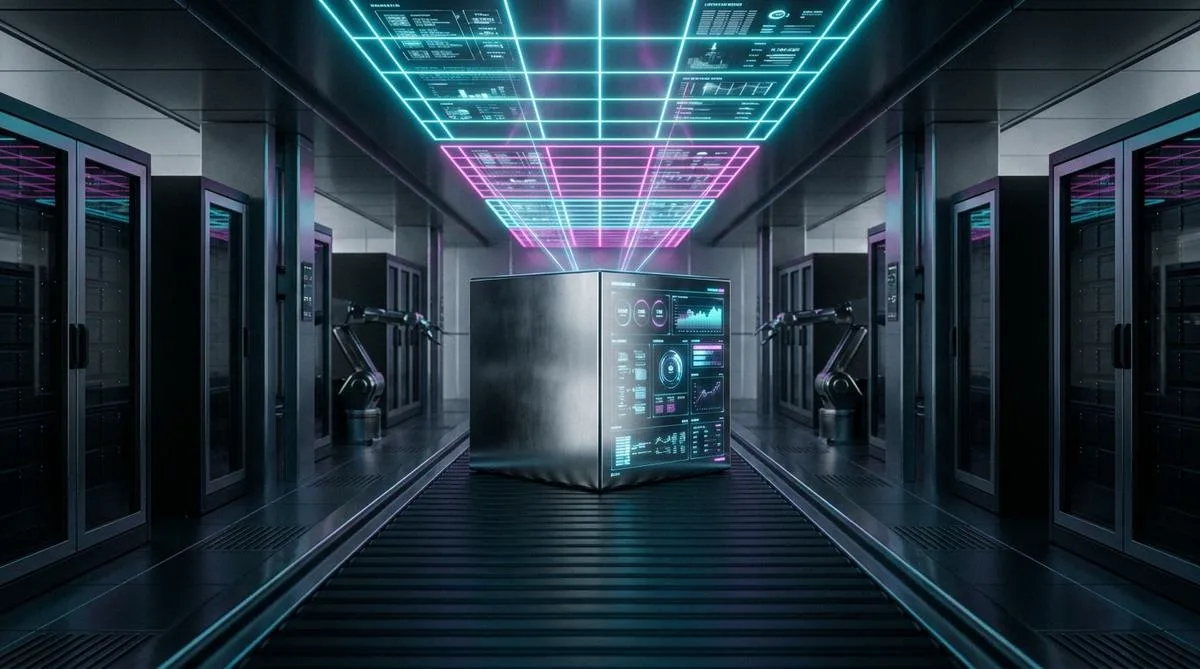
To help navigate this complex technological landscape, we have prepared the overview below. In the following sections of this article, we present a review of 10 key tool categories that together form a modern ecosystem. We will show how to effectively integrate software to deliver a fully automated process — from the moment a customer clicks "Buy" to the secure shipment of a finished product straight from the production floor.
Digitalization of Production Processes as the Foundation of D2C and B2B Models
In today's market reality, the line between manufacturer and retailer is becoming almost completely blurred. The rapidly growing Direct-to-Consumer (D2C) model and modern B2B commerce both require an IT architecture that tolerates no delays. Modern digitalization of production processes at the intersection of commerce and manufacturing is above all about the uncompromising elimination of manual re-entry of orders from e-commerce platforms into factory systems. An integrated ERP for retail and e-commerce ensures that the specification of a unique product from a virtual shopping cart automatically — without any human involvement — becomes a ready-to-execute production order.
Shorter Lead Times: A Case Study from the Furniture Industry
A compelling proof of the measurable effectiveness of this approach is a recent case involving a leading custom furniture manufacturer. Before digital transformation, every complex order configured online by a retail customer had to be manually verified by a process engineer and then laboriously entered into CNC machine software. The implementation of full system integration meant that parametric production files are now generated entirely automatically in a fraction of a second.
Thanks to this solution, the company reduced the time from online order approval to the physical start of cutting furniture panels by an impressive 80%. This is not only a massive saving in man-hours, but above all a drastic reduction in costly human errors that previously generated enormous material waste and delays.
Transparency That Builds Loyalty in B2B
In the more advanced B2B sector, the technological stakes rise even higher. Professional business partners expect absolute predictability, on-time delivery, and full visibility into the status of their large-volume orders. In this context, transparency in the production process becomes the primary driver of trust and long-term loyalty among demanding clients.
When an advanced production support system is directly connected to software such as a CRM for B2B sales, the business partner gains access to a dedicated customer portal. There, they can track the progress of work on the production floor in real time — from raw material collection through to final assembly and packaging.
A seamless flow of data between the B2B store and the machine park eliminates informational chaos, enabling clients to precisely plan their own logistics processes and sales campaigns.
This level of informational openness completely eliminates unnecessary email and phone communication with the support department, freeing up valuable company resources. A manufacturer that in 2026 can guarantee flawless and immediate information flow between the sales front-end and its machines gains a powerful, hard-to-replicate competitive advantage in the market.
Tools 1–3: Operational Engines — Modern ERP for Retail and E-Commerce
Advanced resource planning systems are today the foundation of effective digital transformation in sales and manufacturing companies. Traditional, monolithic software is giving way to agile next-generation solutions. A modern ERP for retail and e-commerce is no longer merely a digital general ledger — it is an intelligent operational engine.
Such systems natively support multichannel sales (omnichannel) and dynamic manufacturing, forming the heart of a modern IT infrastructure. True digitalization of production processes begins precisely here, where sales data flows seamlessly into the factory floor without delays or human errors.
Tool 1: Cloud ERP Systems with Built-In API Connectors
The first key solution is cloud-based ERP systems that come with ready-made API connectors for the most popular e-commerce platforms out of the box. In the past, integrating an online store with a financial and warehouse management system required expensive custom code and the construction of complex integration bridges.
Today, the flow of information about orders, customers, and payments happens instantly, in a true plug-and-play fashion. For example, a large sporting goods distributor used native API integration to reduce online order processing time from several hours to just a few seconds. This drastically lowers the risk of errors and enables seamless business scaling during peak sales periods such as Black Friday.
Tool 2: Dynamic Inventory Management Modules
The second essential component is advanced dynamic inventory management modules. Traditional systems often updated stock levels in batch mode — for example, once a day — which in fast-paced online retail led to the sale of physically unavailable goods.
Modern modules synchronize raw material and semi-finished goods levels with the online availability of finished products in real time. When a customer adds a personalized product to their cart, algorithms instantly calculate the availability of the required components in the main warehouse, reserving them so they cannot be allocated elsewhere.
Lack of real-time inventory synchronization is the most common cause of consumer trust erosion in the digital model. Dynamic inventory management eliminates this problem entirely at its source.
Tool 3: Automated APS (Advanced Planning and Scheduling) Systems
The third, highly sophisticated tool is the class of APS systems used for precise production planning and scheduling. In the traditional model, a production order would wait in a long queue for a planner's manual decision, unnecessarily extending lead times.
An integrated APS system works entirely differently — it immediately reserves the optimal machine capacity and employee time the moment a paid cart arrives from the e-commerce platform. One leading consumer electronics manufacturer integrated its B2B store with an APS system, enabling automatic assignment of a precise delivery date at the order summary stage.
The business customer can immediately see in which time window the product will come off the production line. This level of predictability represents powerful added value in commercial relationships and dramatically increases the competitiveness of a company's offering in today's market.
Tools 4–5: CRM for B2B Sales as a Production Order Generator
Looking at the evolution of customer relationship management systems, it is clear that by 2026 they have long ceased to function merely as digital business card holders. Today, an advanced CRM for B2B sales is an intelligent driver that directly initiates activity on the factory floor. True digitalization of production processes requires the sales system to be tightly connected with manufacturing technology, automatically generating precise specifications for machines and engineers.
Tool 4: B2B Sales CRM Integrated with Self-Service Portals
A key solution in modern wholesale commerce is the integration of a CRM system with advanced Self-Service Portals. B2B partners today expect purchasing experiences familiar from the consumer market — the ability to place orders independently at any time of day.
Through self-service portals, wholesale customers log into a dedicated panel where they can see their individual pricing, purchasing limits, and transaction history. When they confirm a new order, the integrated CRM instantly processes that data and transforms it into ready-to-execute production orders. This eliminates the need for the customer service team to manually re-enter emails and drastically shortens the time from clicking "Order" to starting the machines.
Tool 5: CPQ Configurators Powered by Production Logic
Equally important are modern CPQ (Configure, Price, Quote) configurators. In the past, sales representatives would sometimes promise customers product parameters that were technologically impossible to manufacture, leading to costly errors and delays.
Modern CPQ systems are directly powered by production logic. This means the configurator verifies material availability and the technological constraints of the machine park in real time. The system simply prevents sales reps or customers from selling or ordering variants that cannot be manufactured.
Integrating production logic into the quoting process is the foundation of flawless order fulfillment. A CPQ configurator becomes a virtual engineer, ensuring the accuracy of every transaction.
An excellent example of the effectiveness of these solutions is a recent optimization of the sales department at a large distributor and manufacturer of machine parts. Before implementation, every non-standard project required days of consultations between sales staff and process engineers. After integrating a modern CRM system with CPQ configurators and production technology, the time to prepare a feasible quote was reduced from a week to just a few minutes. Furthermore, a quote accepted by the customer automatically generates a complete technical specification, which is sent directly to the screens of CNC operators on the production floor.
Tools 6–7: Cloud MES and IoT — Process Transparency for the End Customer
Effective digitalization of production processes does not end the moment a CRM system generates an order. Today's e-commerce customer — whether operating in B2B or B2C — expects full transparency and visibility into what is happening with their order. The answer to these needs lies in advanced technologies operating directly on the factory floor, which continuously feed the sales platform with live production data.
Tool 6: MES Systems in Cloud Architecture
Traditional manufacturing management systems often operated in isolation from the sales front-end. The solutions being deployed today are modern MES (Manufacturing Execution Systems) built on cloud architecture. Their primary advantage is the ability to instantly report progress from every production workstation.
Leveraging technologies such as Real-Time Location Systems (RTLS), Cloud MES software tracks the physical movement of components across the shop floor. This information is instantly transmitted to the online store. As a result, a customer logging into their panel sees actual work progress rather than a generic "in progress" status, which significantly enhances the quality of the purchasing experience.
Tool 7: Industrial Internet of Things (IIoT) and Automated Quality Control
Another key element of this technological puzzle is the Industrial Internet of Things (IIoT). Smart sensors mounted on machines not only gather equipment performance data but also automate quality control processes. From an e-commerce perspective, this has enormous implications for the accuracy and timeliness of shipments.
When a finished product passes through an automated inspection gate, the IIoT system instantly confirms order completion. This information automatically generates a courier label and sends the customer a notification that their order is ready for dispatch. This eliminates bottlenecks, human errors, and the need for warehouse staff to manually scan barcodes.
Reduced Support Costs Through Live Status Updates
The combination of Cloud MES and IIoT technologies translates directly into measurable business benefits. Giving customers the ability to track production status live is a powerful optimization tool for overloaded support teams.
Providing e-commerce customers with precise status updates in their panel — such as "Currently being milled" or "In the paint shop" — is a true revolution in post-sales service. Transparency builds trust and drastically reduces post-purchase anxiety on the client's side.
An excellent example of this approach in action is an implementation carried out at a leading custom furniture manufacturer. Before the production floor was integrated with the B2B sales platform, phone calls asking about the status of orders were paralyzing the daily work of the office. After introducing detailed live progress tracking, the number of inquiries to the customer service department fell by as much as 40 percent. This is undeniable proof that investment in deep digitalization of production technology directly improves the profitability and efficiency of the entire e-commerce channel.
Tools 8–9: AI and Predictive Analytics in Service of E-Commerce Procurement
While MES systems and IIoT sensors optimize day-to-day factory operations, true competitive advantage is born in the realm of planning. Modern digitalization of production processes requires a complete paradigm shift in supply chain management. We are moving away from outdated, reactive models toward the proactive anticipation of future market demand.
Tool 8: AI Agents for Sales Trend Analysis
The first pillar of this revolution is advanced artificial intelligence agents that continuously monitor consumer behavior. These tools analyze vast datasets from e-commerce platforms, correlating micro-spikes in website traffic with upcoming demand for specific raw materials and semi-finished goods.
The algorithms are capable of detecting subtle signals — such as an increased number of abandoned carts, growing interest in the store's internal search engine, or sudden trends on social media. On this basis, the system alerts procurement departments in advance that a given product line is about to become a bestseller. This allows for timely preparation of assembly lines and optimized machine scheduling.
Tool 9: Automated e-Procurement Platforms
Knowledge of upcoming demand alone, however, is only half the battle. The next step involves automated e-Procurement platforms that independently translate AI forecasts into concrete purchasing actions. These systems are capable of negotiating delivery terms and ordering the necessary components from vetted suppliers without any human involvement.
Drawing on precise algorithmic forecasts, these platforms dynamically select suppliers based on the shortest lead time or lowest price. This radically shortens response times to market fluctuations and eliminates the risk of human error in the critical e-commerce procurement process.
Freeing Up Capital and Ensuring Continuity
The implementation of both these innovative tools delivers spectacular financial and operational results. The most significant benefit is a drastic reduction in capital tied up in inventory. Companies no longer need to maintain large safety stocks, because algorithms order raw materials in a model approximating ideal Just-in-Time procurement.
The application of predictive analytics and autonomous purchasing enables the maintenance of minimal inventory levels while providing ironclad protection of production continuity for top-selling products.
An excellent example of the effectiveness of this solution is a leading European household appliance manufacturer that integrated its online store with AI predictive modules. The system independently detected a growing trend toward appliances in unconventional color schemes and automatically ordered appropriate quantities of specialized paints. By the time the wave of orders hit the sales platform, the factory was already fully prepared for increased production — avoiding costly stockouts and reputational damage in the eyes of customers.
Tool 10: Process Orchestration Platforms and Agile Internal Applications
Rounding out our list of top solutions for 2026 are process orchestration platforms and agile internal applications. In an era of rapidly changing market requirements, digitalization of production processes cannot rely solely on monolithic architectures. The key advantage today is agility — the ability to instantly build digital bridges between the e-commerce front-end and the realities of the factory floor, without the need for lengthy coding.
The Power of No-Code and Business Ontology
The tool in question is advanced no-code and low-code platforms built on deep business ontology. They enable the rapid generation of dedicated, highly functional applications for shop floor and warehouse staff. Thanks to intuitive visual editors, operations managers can independently design tools that perfectly mirror the unique workflow of their facility — without waiting months for IT department support.
An End to Rigid Integrations
Why do off-the-shelf, boxed integrations between e-commerce and production systems fail with increasing frequency? The main reason is atypical and dynamically evolving business models such as mass customization. When a customer in an online store configures a unique product variant, standard connectors often fail to correctly pass these non-standard variables through to the machines. This results in serious bottlenecks and the need to manually re-enter parameters.
Agile Interfaces for Machine Operators
The solution to this problem is the ability to agilely adapt interfaces directly for machine operators. Modern orchestration platforms make it possible to equip a worker with a tablet running an application tailored precisely to their specific workstation. As a result, when an operator finishes machining a personalized component, they can update the order status with a single tap. That information is instantly reflected in the CRM for B2B sales or in the customer's panel in the online store.
Full transparency and a smooth, real-time flow of information between the machine operator and the end customer is the absolute foundation for building lasting loyalty in e-commerce in 2026.
A prime example of such an implementation is a well-known European custom furniture manufacturer. Rather than investing in costly modifications to its core ERP system, the company leveraged a low-code platform to build lightweight mobile applications for its carpenters. This ensured a flawless flow of specifications from the online shopping cart directly to the workbenches, cutting order lead times by thirty percent and drastically reducing the number of production errors.
Summary: How to Build a Coherent Technology Stack and Stay Ahead of the Competition
Together, we have examined ten powerful technology solutions that will dominate the e-commerce and manufacturing markets by 2026. Whether we are talking about advanced resource management systems, intelligent analytics platforms, or agile low-code applications for machine operators, they all share a single common goal. That goal is the complete elimination of delays along the critical stretch between a customer placing an order and its physical fulfillment.
E-commerce directors, sales leaders, and operations managers face an enormous challenge today. The availability of innovative technologies is greater than ever before, which paradoxically creates the risk of decision-making chaos. Building a coherent technology stack requires a strategic view of the entire organization. Tools must work together seamlessly, forming an ecosystem in which data from sales platforms immediately feeds work schedules on the factory floor.
- Eliminating manual data re-entry between disparate, incompatible IT systems.
- Automating scheduling based on real orders flowing directly from online shopping carts.
- Ensuring full visibility of production status for the impatient end customer.
The Golden Rule of Transformation: Evolution Over Revolution
The biggest trap that fast-growing companies fall into is the desire to implement every new technology at the same time. Over-investment and so-called implementation shock can paralyze a company's operations for many months. The golden rule of modern digital transformation is: do not implement everything at once. Remember that technology is merely a tool, and the real value lies in optimizing the work itself and eliminating wasted time.
Every step toward Industry 4.0 should be preceded by thorough analysis. Effective digitalization of production processes must stem from genuine needs, not from a passing trend toward a particular piece of software. Begin with a reliable audit of the information flow between the B2B sales department, the e-commerce platform, and the production floor or central warehouse.
A leading European automotive components manufacturer serves as an excellent example here. Before implementing a powerful ERP-class system, the management team decided to map every single process. In doing so, they discovered that the greatest time losses did not stem from outdated machinery, but from manually re-entering order specifications from emails into the production system. That simple discovery saved the company millions in unnecessary hardware investments.
The Cost of Inaction: Why Silos Are Destroying Businesses
It is worth asking what will happen if your company ignores the trends ahead. The cost of doing nothing in the context of 2026 will be drastic and could determine whether your business survives or fails in the marketplace. Companies that continue to maintain a heavily siloed approach — drawing a thick line between e-commerce and production operations — will very quickly lose their market share to more agile players.
Both B2B and B2C customers today expect complete, one-hundred-percent transparency. They want the ability to track their orders in real time and expect near-instant fulfillment of even highly personalized products. Agile competitors who have already invested in deep data integration will easily win over your dissatisfied customers.
A lack of seamless communication between the online store and production means frequent order errors, delays in critical deliveries, and growing buyer frustration. In today's brutally competitive market conditions, customer loyalty ends precisely where problems with timeliness and service quality begin.
Maintaining artificial information barriers between sales and production is the fastest route to losing competitiveness. The organizations that will win are those capable of operating as a single, digitally connected entity that responds to change in a fraction of a second.
Your Roadmap to Market Dominance
The transition from outdated, isolated systems to a modern, fully integrated IT architecture is a complex process. It requires years of experience, a clear-eyed outside perspective, and precise strategic planning. You do not have to navigate this difficult and uneven road alone, however. The key to spectacular success is choosing the right technology partner.
Instead of guessing which of the ten solutions discussed will work best for you, base your business decisions on hard data and proven expert knowledge. Take the first and most important step toward building a lasting competitive advantage. Secure the future of your business for the years ahead, and do not let yourself be overtaken by market innovators who are already automating their processes.
We invite you to undergo a professional, comprehensive process audit of your company. Our experienced experts will thoroughly analyze your current information flow, identify areas requiring immediate optimization, and design an integrated IT architecture tailored precisely to your unique needs. Contact us today and find out how to plan your transformation wisely — so you can dominate the market in 2026!


