
How to onboard a new employee in production?
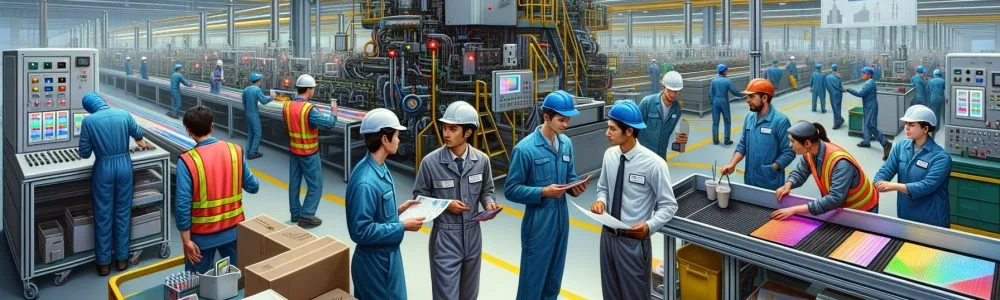
Are you struggling with lengthy and costly onboarding of new employees? Or perhaps you've noticed that inadequate preparation is increasing turnover in your company? The onboarding process in production can be complex, but when well-organized, it can contribute to increased efficiency and work quality. Let's explore together how to avoid the most common mistakes and streamline this process.
1.How long does employee onboarding in production take?
2.Stages of employee onboarding in production
3.Induction training, health & safety, and job-specific training
4.Quality and production standards training
5.Ongoing training as a recipe for reducing employee turnover
How long does employee onboarding in production take?
The time required to onboard a new employee in production can vary depending on many factors. It is worth noting upfront that this is a process requiring an investment of time and resources in order to deliver the expected results. On average, it can take anywhere from a few days to several weeks, depending on the type of organization, the complexity of the tasks, and the readiness of onboarding materials and procedures. It is important to think this process through carefully in order to avoid unnecessary delays and problems arising from inadequate preparation.
The onboarding period can be broken down into three main stages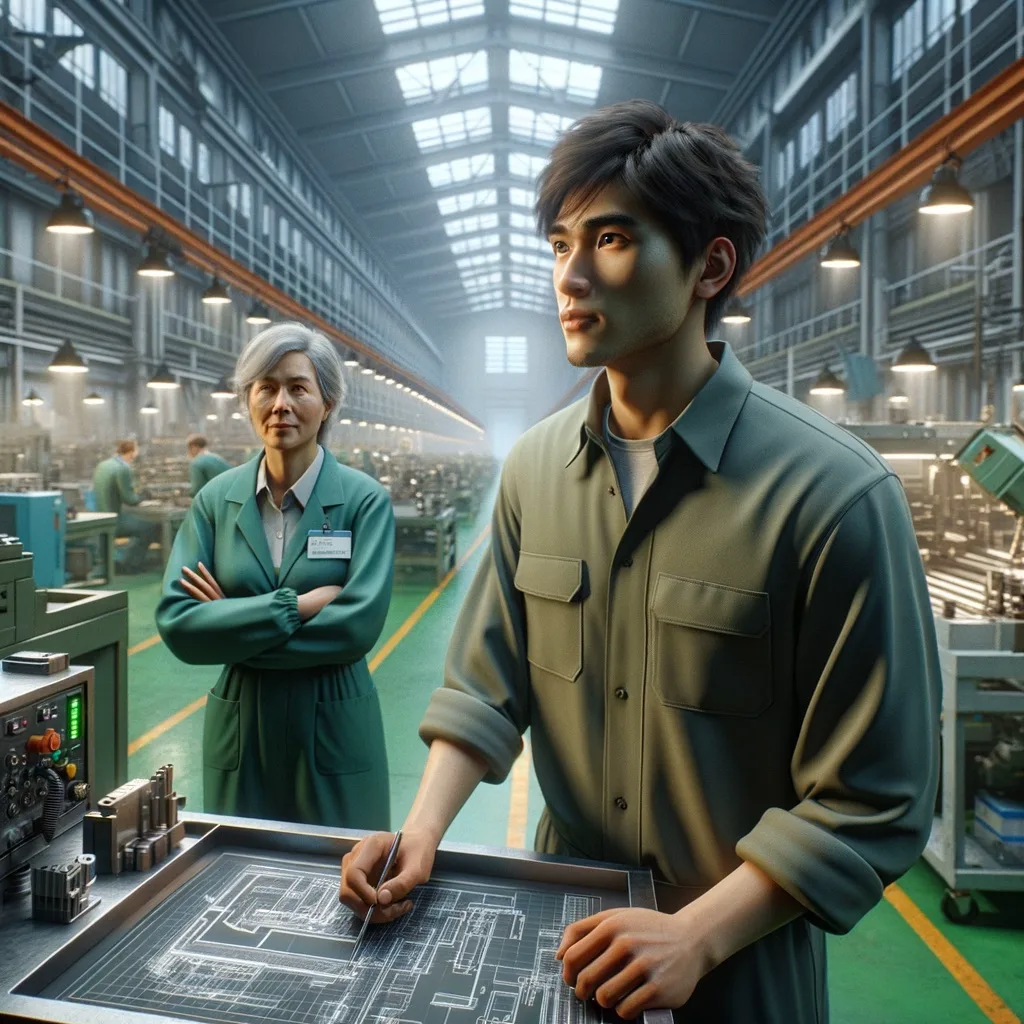
organizational introduction
induction training (e.g. health & safety)
hands-on onboarding at the workstation.
Organizational introduction – Covering an introduction to the company, safety rules, and procedures, this typically takes place during the first day or two. The following days are dedicated to detailed training in the context of the work being performed. Finally comes the practical stage, during which the new employee, under the supervision of a more experienced colleague or line manager, develops the necessary competencies.
The factors most commonly extending the onboarding period are:
lack of properly planned training
insufficient staffing resources for employee supervision
unclear procedures.
For example, companies that do not have automated onboarding management tools may waste valuable time on manual knowledge transfer. Other issues include a lack of experience among those conducting the onboarding, or too much information being delivered at once, making it difficult for newcomers to absorb.
To ensure the onboarding process runs smoothly, it is also worth factoring in what is known as the adaptation period. These are additional days or weeks during which the employee becomes thoroughly acquainted with their new work environment. During this time, the company has the opportunity to assess how effectively it is meeting its onboarding objectives. The more refined the process, the shorter and more effective the adaptation period will be.
Let us now move on to a detailed discussion of the onboarding process itself.
Stages of employee onboarding in production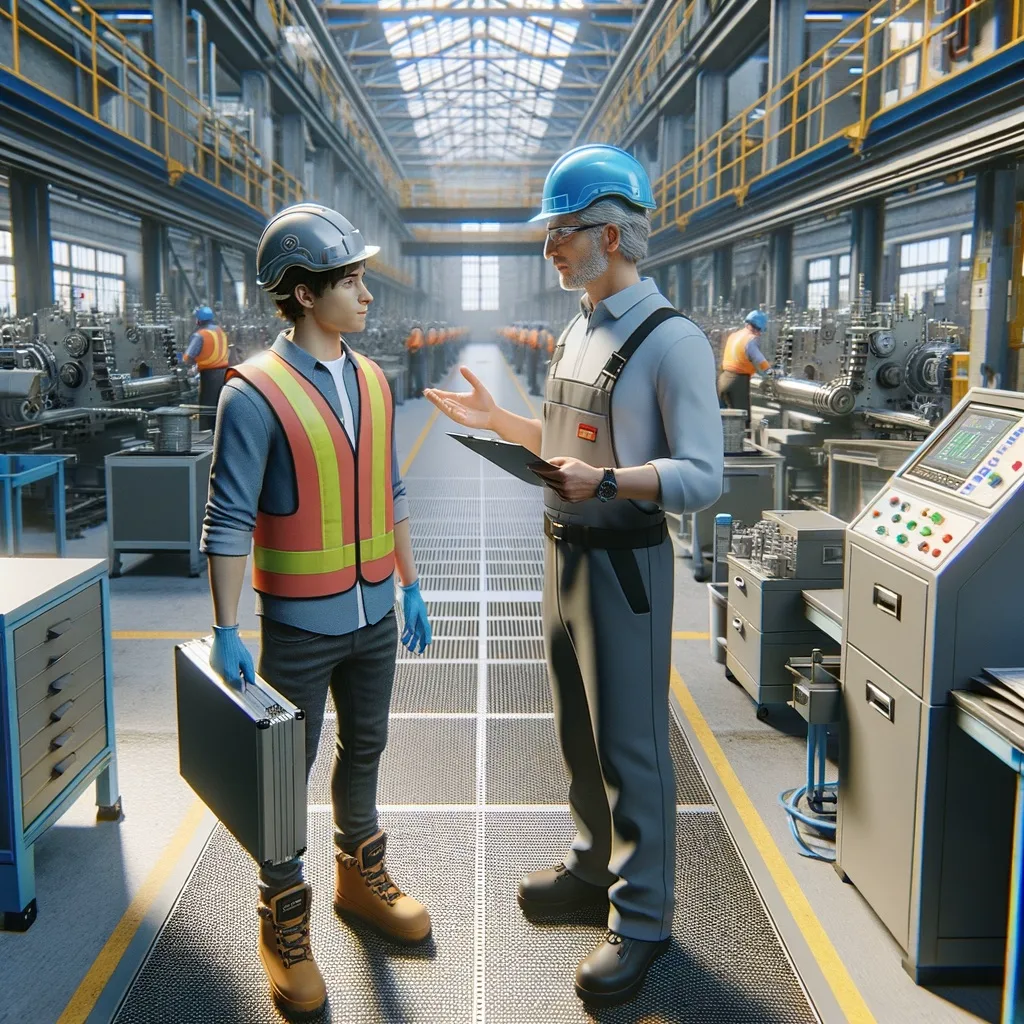
Onboarding a new employee in production consists of several key stages that must be carefully planned and executed. Each of them plays a specific role in the process of adapting a new team member to the organization's requirements. Conducting the onboarding correctly increases its effectiveness and reduces potential problems such as misunderstanding of responsibilities, making errors, or difficulties in acclimatization.
Although this process varies depending on the nature of the company, certain steps are universal and can be applied across different manufacturing industries.
The first stage of onboarding is the organizational introduction – This usually takes place on the first day of work. During this time, the new employee learns about the company's organizational structure, the basic operating principles of the facility, and key regulations such as the security policy and code of conduct. Expectations of the employee are also discussed, including the goals and standards that must be met in their role. The organizational introduction not only helps the newcomer feel part of the team, but also lays the foundation for understanding how their work fits into the broader context of the organization's operations.
The second step is induction training – This covers topics such as health and safety regulations, the operation of production tools or machinery, and an introduction to job-specific responsibilities. This stage is critical from the perspective of workplace safety and the effective performance of tasks. Employees learn how to properly identify hazards, exercise caution, and respond to emergency situations.
Equally important is an introduction to the culture of teamwork, which helps the new person better understand how their role interacts with other production departments.
Only after such preparation does the employee move on to hands-on onboarding at the workstation – Here, the new employee gradually becomes familiar with the practical aspects of their responsibilities and carries out tasks under the supervision of more experienced colleagues or a line manager. As they acquire new skills, they gain greater independence, allowing their progress to be assessed and the onboarding process to be adjusted to their individual needs where necessary. A quality inspector or team leader may act as a mentor, supporting the employee in learning and developing practical skills.
At every stage, areas requiring improvement can be identified — such as a lack of consistent guidelines, delays in organizing training, or communication issues between departments. This is the moment to take corrective action and continue refining the process. A poorly thought-out onboarding can lead to high employee turnover, loss of resources, and disruption to production flow.
Do new employees at your company receive a properly structured training pathway?
Induction training, health & safety, and job-specific training
Induction training is the foundation of every new employee's work in a production environment. Workplace safety, work quality, and team integration all depend to a large extent on how it is conducted. Time and resources are often invested in this stage because preparing employees to perform their duties is critical to the adaptation process. In practice, the training consists of several essential components that play diverse roles in building the competencies of the newly hired person.
The first step is typically health and safety (H&S) induction training. Its purpose is to familiarize the employee with occupational health and safety regulations. At this stage, topics covered include: potential hazards in the production environment, obligations relating to compliance with regulations, and procedures for dealing with breakdowns or accidents. Employees also learn how to use protective equipment, such as gloves, helmets, and respiratory masks. These measures are extremely important, as they help prevent dangerous situations. H&S induction is not merely a formality — it is a key investment in the health and safety of people in the workplace.
The next component is job-specific training. This is where new employees learn the details of their responsibilities and how to operate specific tools or machinery. This training may be delivered by a direct line manager or experienced employees acting as mentors. For example, a person hired as a production machine operator must learn the principles of equipment calibration, how to report irregularities, and basic maintenance tasks. It is worth emphasizing that this stage should teach not only "how to do things," but also "why things are done in a particular way." This helps employees better understand how their day-to-day responsibilities affect the overall production process.
Training sessions should also include a discussion of the quality standards in place at the company. Many employers focus on analyzing product manufacturing norms, which helps minimize errors and increase production efficiency. For example, in the food sector, strict hygiene standards apply, while in technology-based facilities, precision and adherence to technical parameters are paramount. Properly conducted quality training leads to a noticeable reduction in the number of defective products or downtime caused by having to repeat faulty operations. The human element of building teamwork must not be overlooked either. During job-specific training, new employees typically work alongside more experienced colleagues. This is an opportunity to exchange knowledge, learn from practical examples, and build relationships.
Moreover, working simultaneously as part of a team provides the opportunity to observe how individual departments interact with one another. As a result, the newly hired person gains a more comprehensive picture of how their work contributes to the company's success.
To make the training process more effective, it is worth keeping several principles in mind:
Tailoring training to the scope of responsibilities – Employees should not be burdened with information that does not relate to their role.
Striking a balance between theory and practice – An excess of theoretical content can be discouraging, while practice alone without explanation leads to the repetition of mistakes.
Creating consistent procedures – Standards should be clear to every employee, regardless of their level of experience.
Continuously monitoring progress – Conducting evaluation conversations allows the pace and content of training to be continuously adjusted to the needs of new hires.
Taking employee feedback into account – Those who have completed the training may suggest changes or improvements — their comments are a valuable source of information.
The completion of the training stage is only the beginning of full adaptation to the role within the company.
Can a properly prepared employee reduce turnover in your team? Let us now look at how ongoing training helps maintain engagement and loyalty.
Quality and production standards training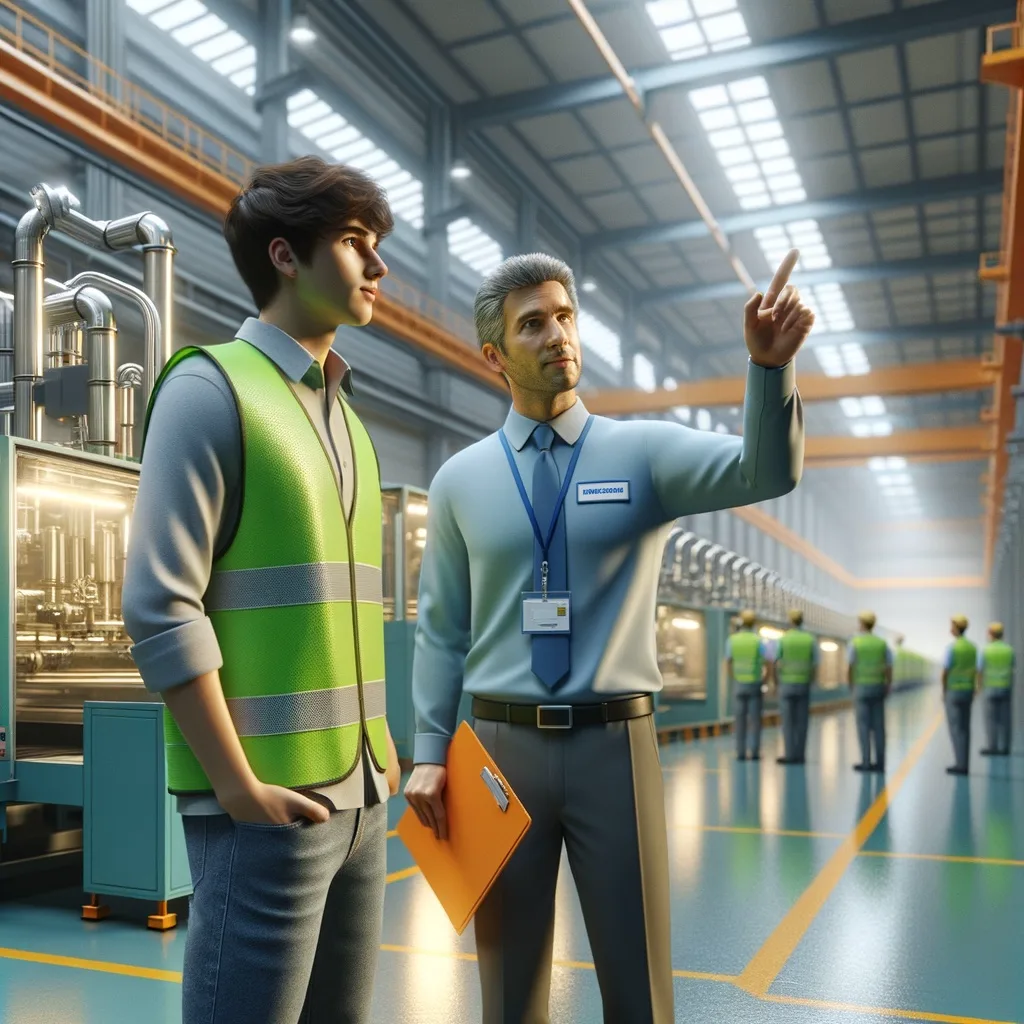
Product and service quality is the key to success for any manufacturing company. Quality and production standards training helps employees perform their tasks correctly, minimizing errors and supporting organizational goals.
Such training focuses on establishing the principles that ensure both the production process and its results meet the defined standards. Participants learn how to identify non-conformances, implement corrective actions, and monitor performance — all of which contributes to improving the efficiency of the entire facility. A fundamental element of quality training is familiarizing employees with the standards adopted by the company. These standards may stem from internal procedures or external norms, such as ISO or HACCP.
Employees receive clear and specific guidelines regarding their place in the production chain, which helps reduce the number of errors made. In this way, every team is aware of its own contribution to the final success of the product. Quality training should also incorporate advanced production process control techniques. Examples include tools such as the Ishikawa diagram, Failure Mode and Effects Analysis (FMEA), and Statistical Process Control (SPC). With such tools, employees are better able to identify the root causes of problems and propose effective corrective actions.
Importantly, employers should ensure that training sessions are tailored to the team's level of advancement. Incorporating practical education — for example through simulations and exercises — significantly increases the retention of knowledge gained. It is worth noting that quality training is not only about increasing precision at work, but also about building a culture of accountability for shared goals.
When an employee understands that the quality of their work affects the reputation of the entire organization, they will be more willing to put in the effort needed for continuous improvement. For example, spotting a minor defect at an early stage can protect the company from costly complaints or production downtime. On the one hand, this increases customer satisfaction; on the other, it builds a sense of pride in the work performed among employees.
During quality training, the following topics are worth addressing:
Identifying customer requirements and their significance in the production process.
Real-time quality monitoring techniques.
Problem-solving and the implementation of corrective actions.
Preventing errors through adherence to procedures.
Risk assessment in the context of product quality.
The common thread running through all these topics is the emphasis on the role of cross-departmental collaboration. For example, the procurement department supplying poor-quality semi-finished products can disrupt the entire process — and a production employee should be able to flag this at an early enough stage. Reducing the number of production errors requires the introduction of consistent standards that support every team member in fulfilling their daily responsibilities. Effective training also covers methods for reporting potential problems, which streamlines the elimination of non-conformances before products reach the market.
Ongoing training as a recipe for reducing employee turnover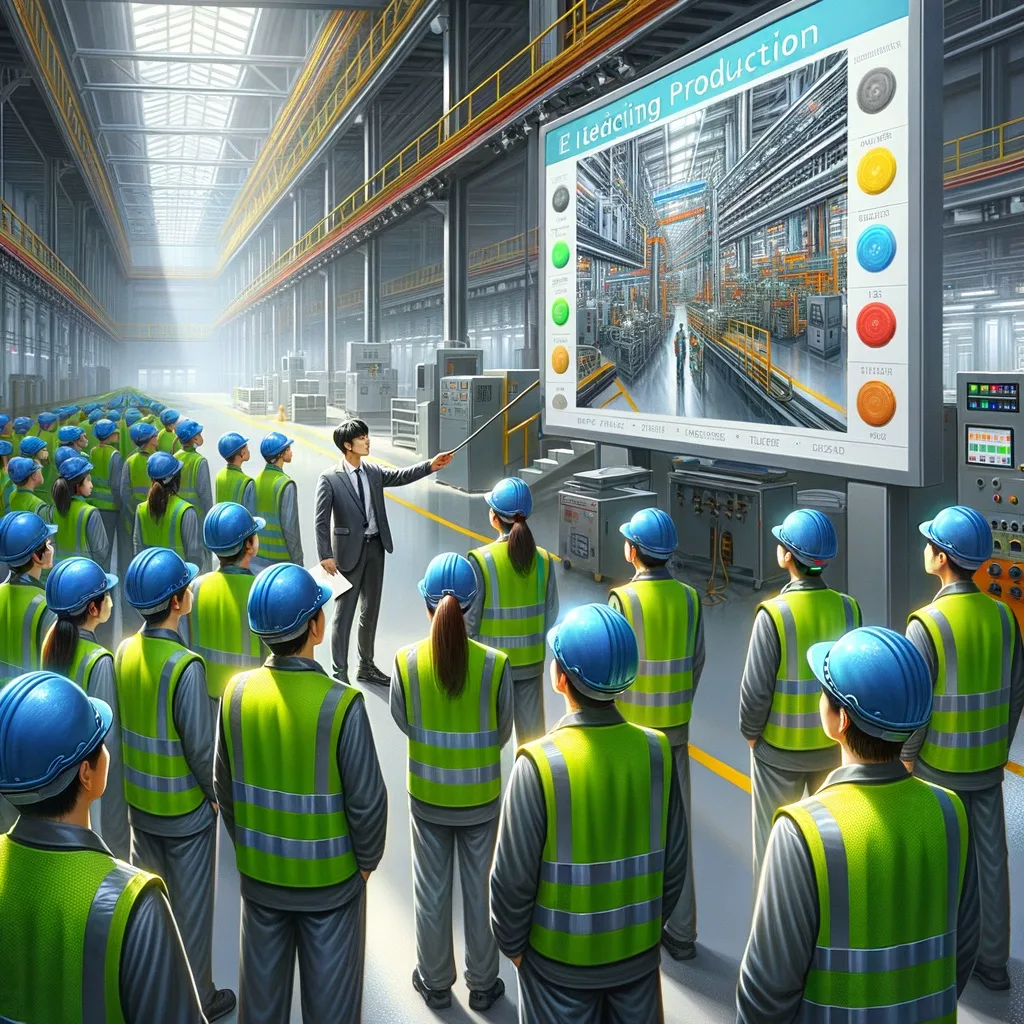
Maintaining employee engagement and effectiveness is critical in any company, and ongoing training plays an enormous role in this process. On the one hand, it allows employees to enhance their qualifications; on the other, it supports the building of loyalty towards the employer.
In practice, implementing development programs can be one of the most effective ways to reduce turnover, particularly in demanding production roles. Employees can see that the company is investing in their development, which both increases their sense of self-worth and helps the employer more effectively achieve its business objectives.
One of the most commonly used types of development training is specialist training. This is focused on acquiring new skills or further developing existing competencies related to machine operation, familiarity with advanced technologies, or the implementation of innovative solutions on production lines. For example, CNC operators or quality controllers may benefit from dedicated courses that enable them to operate new tools or perform their tasks with greater precision. On the one hand, this allows them to carry out their responsibilities more effectively; on the other, it boosts the employee's self-confidence.
Ongoing training can also cover soft skills such as communication, time management, and teamwork. Although at first glance this may seem less relevant in a production environment, developing interpersonal skills has a direct impact on the workplace atmosphere and team effectiveness. For example, training in effective collaboration can help avoid conflicts between departments, which often arise from misunderstandings or a lack of shared understanding of a particular employee's role.
Another important element is cyclical training, which helps employees keep their knowledge up to date and refresh their awareness of key working principles. It often covers safety procedures, maintaining quality standards, or the introduction of new methodologies. Through such training, the company avoids stagnation, and employees stay current with the most important changes in the industry. Moreover, cyclical training gives teams the motivation to continuously improve their skills, even when they have been performing the same tasks for a long time.
The benefits of organizing ongoing training are visible for both the company and the employee.
For the company:


