
HR Digitalization: How to Automate Recruitment, Onboarding, and Employee Management?
📋 Table of Contents
- ATS Systems (Applicant Tracking System)
- Digital Onboarding – The First Step Toward Employee Engagement
- Employee Management in the Digital Version
- HR Metrics and Analytics (HR Analytics)
- Recruitment Chatbots and Online Tests
In the face of ever-increasing market demands, digitalization of HR departments has become not just a trend, but a necessity — one that enables effective management of recruitment and employee processes. Advanced technology opens up new possibilities for companies: from automating the flow of leave requests to empathetic digital onboarding that fosters higher employee engagement right from the very first days. Software such as erecruiter and HRappka.pl, tailored to business needs, allows applications to be customized to fit precise requirements, effectively relieving the burden on HR departments. Discover how implementing ATS systems, HR Analytics technology management tools, and recruitment chatbots can revolutionize the flow of information and processes in your company, placing it at the forefront of the 2025 business ecosystem.
-
ATS Systems (Applicant Tracking System)
-
Digital Onboarding – The First Step Toward Employee Engagement
-
Employee Management in the Digital Version
-
HR Metrics and Analytics (HR Analytics)
-
Recruitment Chatbots and Online Tests
ATS Systems (Applicant Tracking System)
HR digitalization opens the door for companies to more efficient and effective management of recruitment processes. One of the key tools that makes this possible is the ATS (Applicant Tracking System). With such software, organizations can automate and streamline recruitment tasks, significantly improving the effectiveness of HR departments.
These solutions offer many features that can revolutionize a company's HR department, for example:
- Automatic application tracking: This is the core feature of every ATS system, enabling effective management of candidate submissions. As a result, recruitment processes become more organized and less time-consuming.
- CV filtering: The software allows candidates to be automatically ranked according to predefined criteria, such as experience, skills, or level of education. This makes it easier to select the most promising applicants.
- Interview scheduling: An ATS can also automatically manage the interview schedule, enabling better time management for both recruiters and candidates.
- Analytics and reporting: Many ATS systems offer advanced analytical tools that help track the effectiveness of recruitment processes and optimize them as needed.
Although this appears to be growing in popularity, not all companies have yet implemented such solutions. On the contrary, many still rely on more traditional methods of managing recruitment. Recently, however, there has been a growing interest in digitalization within the HR field, driven in part by increasing awareness of the benefits that come from automating HR processes.
Thus, implementing an ATS system can be a significant step toward increasing the effectiveness of an HR department. The potential benefits include faster and fairer recruitment processes, which in turn can contribute to better talent selection. In this way, companies can not only save time and costs, but also build stronger and more engaged teams. It is therefore worth considering this technology as a tool to support talent management in the modern business environment.
Digital Onboarding – The First Step Toward Employee Engagement
Digital onboarding is a critical moment in the adaptation process for newly hired individuals. By leveraging modern tools, this stage can be revolutionized, making it more effective and employee-friendly. Here is how digitalization can improve a new employee's first days at a company:
Process automation: Software such as eRecruiter and Productive24 enables the automatic collection of required documents and information, significantly speeding up the onboarding process. Companies can now implement automatic reminders and checklists, ensuring that nothing important is overlooked.
Easy access to information: Digital platforms such as HRappka.pl allow new employees to quickly find answers to questions about life at the company — from workplace policies to leave request procedures. Despite the vast amount of information, everything is organized and easy to absorb.
-
Online training: Offering e-learning as part of the onboarding process is a way to effectively manage new employees' time. They can acquire knowledge according to their own needs, which is particularly important in today's rapidly changing times.
-
Team building: Social-business applications and platforms can support integration between new and existing employees, strengthening the sense of belonging from the very first moments at the company.
While traditional methods can be time-consuming, digital onboarding can be tailored to the specific needs of each individual, which is especially important in the dynamically changing business landscape. Thanks to new technologies, the adaptation process becomes not only faster, but also more comprehensive and engaging.
Using complementary digital tools at every stage of onboarding introduces new employees to the company culture in a way that is both effective and empathetic. Without a doubt, applying digitalization to the new employee onboarding process is becoming not only desirable today, but truly essential for modern organizations striving to optimize their operations. Implementing comprehensive digital solutions is a step that awaits more and more companies ready to keep pace with changing trends.
Employee Management in the Digital Version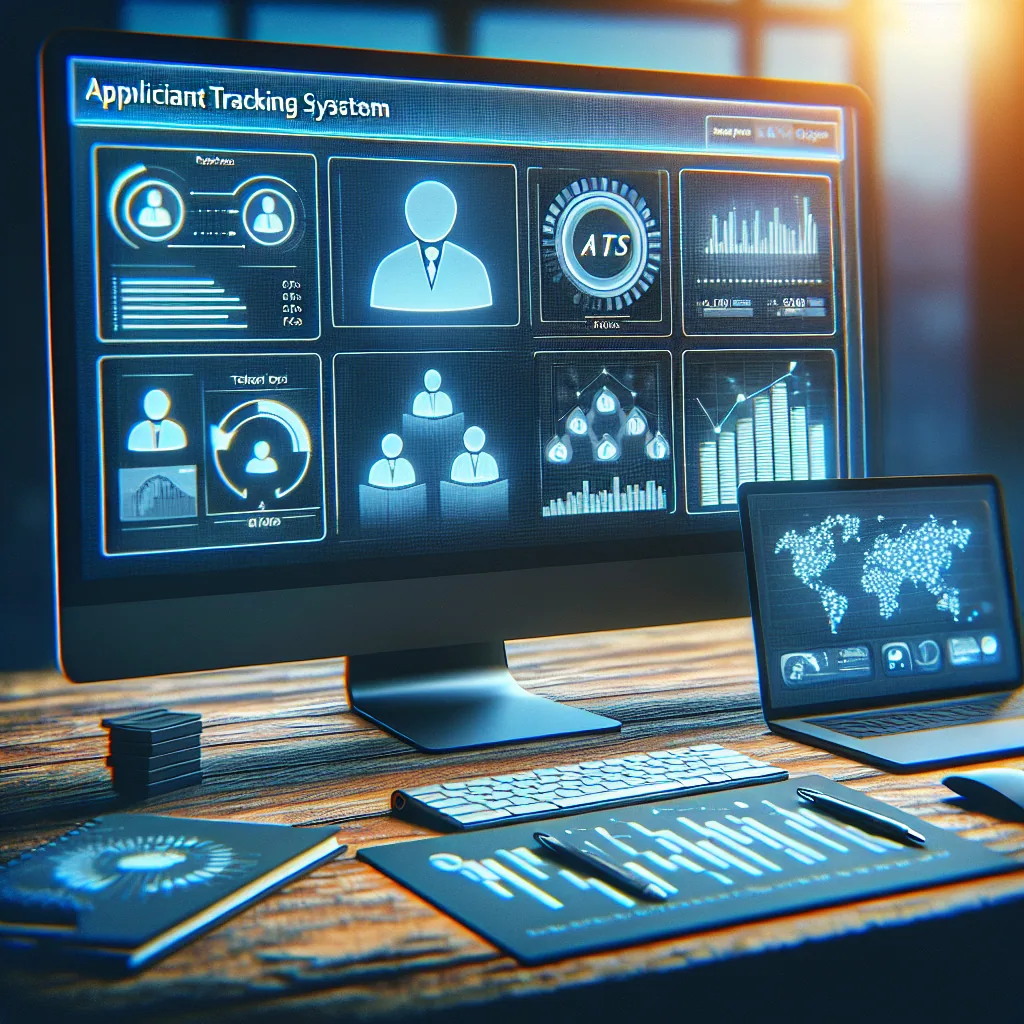
In the age of digitalization, optimizing employee management plays a key role. The use of modern tools is becoming the norm for companies wishing to remain competitive. Digital solutions in employee management make it possible to automate many complex processes and, as a result, increase the effectiveness of the HR department.
The digitalization of HR processes opens up new possibilities in areas such as:
-
Leave request workflows. Systems such as HRappka.pl significantly streamline the process of approving days off. Employees can submit requests digitally, reducing the amount of paperwork involved.
-
Working time tracking. Applications such as Productive24 help monitor working hours, which is particularly useful in companies with flexible working hours or remote work arrangements.
-
Performance management. Digital tools enable the quick creation of summaries and analyses, making it easier to assess employee effectiveness and meet business objectives.
Digitalization also enables the personal development of employees. Online training platforms, such as Symfonia, offer access to a wide range of courses and training programs available from anywhere in the world. This allows employees to develop their skills in an empathetic manner and according to their own needs, among other benefits.
Although implementing new technologies can be a challenge, it ultimately brings benefits for both employees and company management. Effective digital tools eliminate many manual errors and redundancies, which, in contrast to traditional methods, significantly improves work efficiency.
On one hand, the implementation of software itself requires an initial investment of time and resources; on the other hand, the long-term benefits of automating and digitalizing processes are invaluable. Ultimately, digital employee management will not only revolutionize the way a company operates, but will also increase employee satisfaction and engagement.
Today, as the labor market changes rapidly, companies that choose to adopt digital employee management will be better prepared for future challenges.
HR Metrics and Analytics (HR Analytics)
Understanding how digitalization can revolutionize HR metrics and analytics is essential for companies that wish to leverage modern technologies to optimize human resource management processes. HR data analysis helps in making better decisions and improving business strategies.
The digitalization of HR data enables real-time access to information and its rapid updating. Nevertheless, there is a significant difference in the speed and efficiency of information flow between traditional circulation and a digital system. Thanks to software such as eRecruiter and Productive24, the HR department has constant access to current data, which improves planning and responsiveness to changing conditions in the labor market.
The automation of data collection means that HR employees can focus on more strategic tasks. Instead of spending time manually collecting data, they can use tools for automatically tracking and analyzing performance indicators. For example, HR applications help track:
The number and quality of recruitments.
Training effectiveness.
Employee retention rates.
Team performance and engagement.
While traditional HR management methods often relied on intuition, HR technology enables empathetic and precise human resource management based on hard data comparisons.
Interpreting data becomes simpler thanks to visualizations and customized dashboards. For example, modern HR systems offer interactive charts and graphs that help understand trends and patterns in employee behavior. This also helps in evaluating the effectiveness of changes introduced in company policy.
In the context of continuous development, the importance of data in HR management cannot be ignored. In 2025, HR software is becoming not just an operational tool, but a strategic source of information that influences the entire organizational structure. Finally, it is worth noting that in a world where technology and business go hand in hand, the right tools can significantly impact the effectiveness and innovativeness of companies.
Recruitment Chatbots and Online Tests
Digitalization in the field of HR enables the automation of many processes, and in this context recruitment chatbots and online tests are becoming key tools. Through them, a company can optimize the candidate screening stage, saving time and resources.
Recruitment chatbots are AI-based applications that conduct an initial conversation with candidates. Their main tasks include:
-
Automatic responses: to questions concerning the job offer.
-
Initial screening: based on predefined criteria such as experience or skills.
-
Interview scheduling: enabling the arrangement of meeting times with the HR department.
Online tests, on the other hand, allow for a more thorough examination of candidates' competencies. Through administered tests, a company can quickly verify the technical or soft skills of potential employees. Among the most commonly used tests are:
-
Psychological tests: assessing the psychological profile and cultural fit.
-
Hard skills tests: such as programming or data analysis.
-
Job task simulations: allowing practical skills to be assessed in conditions close to real-world responsibilities.
Thanks to the fact that the streamlined flow of leave requests within the company has gained in speed, HR has more time to focus on other equally important tasks. Chatbots and online tests also influence the perception of the brand as a modern employer that keeps up with the times.
Although these changes require an initial investment of effort and adaptation, they bring significant benefits in the long run. They enable both more effective candidate management and an improvement in the company's overall recruitment process in a straightforward way. Automation through modern technologies is becoming not so much an option as a necessity in the dynamically developing world of business and technology.
Summary
HR digitalization is transforming the way companies manage recruitment processes, onboarding, and employee management. Systems such as ATS (Applicant Tracking System) enable effective automation of data collection, CV filtering, interview scheduling, and recruitment effectiveness analysis, revolutionizing the HR department. Furthermore, digital onboarding — using tools such as eRecruiter and Productive24 — accelerates the adaptation of new employees by offering easy access to company information and online training, thereby increasing their engagement and speed of integration. Advanced technology in employee management — including the use of applications for tracking working time and performance management systems — brings the company savings in time and increased operational efficiency. HR digitalization enables companies not only to adapt to the changing business environment, but also to intensify interaction and collaboration between departments. This is key to achieving better results and building a modern workplace.


