
Administration and NGOs in the Digital Age – What's Next?
📋 Table of Contents

- Local governments that simplified resident services
- NGOs that accelerated their operations through technology
- Challenges of digital transformation in the public and social sectors
- Funding sources for digitalization in public offices and NGOs
- AI in public services – digital accessibility
In the digital age, public administration and non-governmental organizations (NGOs) face a range of new opportunities and challenges. From local governments such as Słupsk and Ustka, which have introduced modern e-services, to NGOs that have become more effective by leveraging new technologies, the changes are clear and promising. What are the key dynamics driving these transformations, and what steps can we take to make governance and e-participation even more effective? We will also examine new funding sources for digitalization and explore how artificial intelligence can revolutionize access to public services, opening up a future in which full digital accessibility becomes the norm.
-
Local governments that simplified resident services
-
NGOs that accelerated their operations through technology
-
Challenges of digital transformation in the public and social sectors
-
Funding sources for digitalization in public offices and NGOs
-
AI in public services – digital accessibility
Local governments that simplified resident services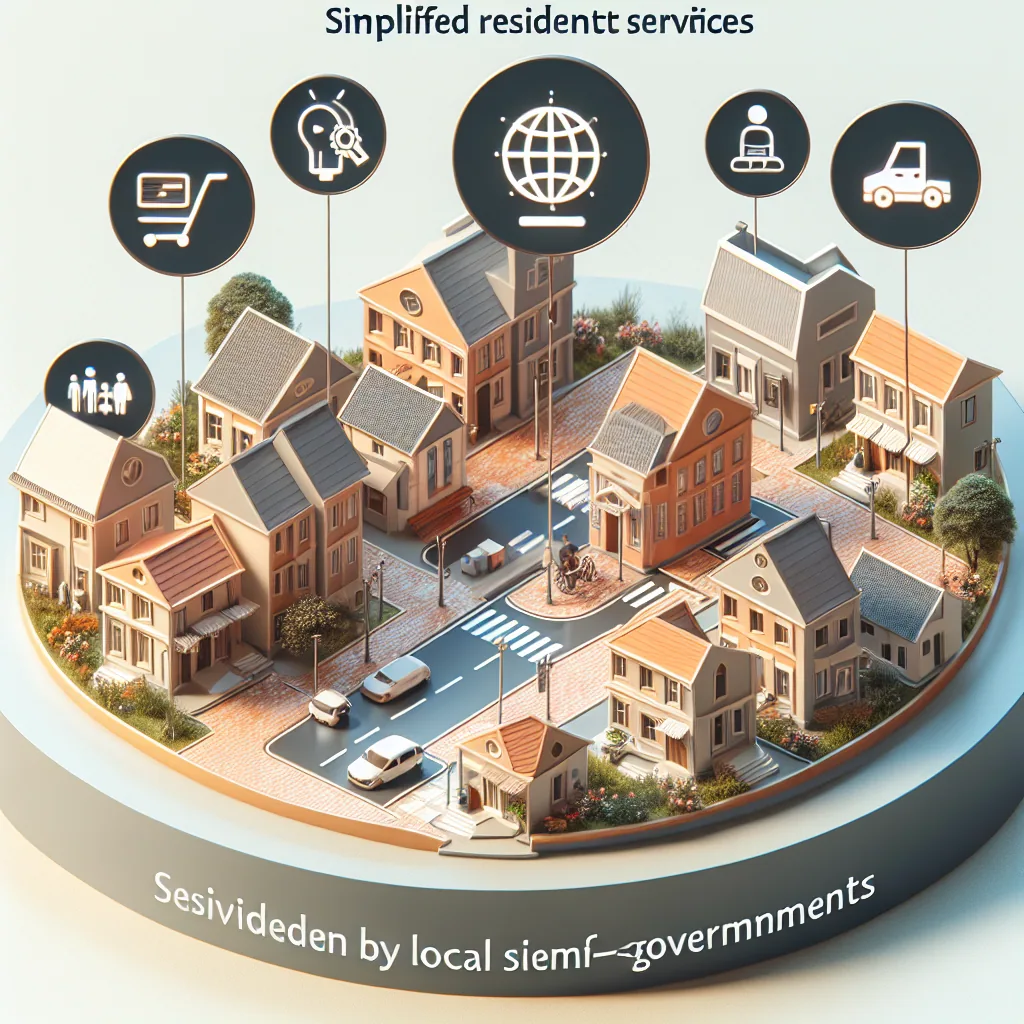
In response to rapidly changing requirements, various local governments in Poland have taken significant steps to streamline resident services by introducing advanced digital solutions. Despite initial concerns, expanding access to e-services has become essential to managing cities and municipalities. Examples such as Słupsk, Ustka, and Warsaw demonstrate how technology can revolutionize local administrations.
Warsaw launched a program enabling residents to access the majority of municipal services online. These included:
applying for national ID cards,
enrolling children in preschools,
paying taxes.
Słupsk, by supporting an e-participation project, offered residents a platform through which they can directly influence decisions regarding local investments, thereby increasing civic engagement and the transparency of decision-making processes.
Ustka, in turn, transitioned to fully digital municipal documentation, which greatly simplified administrative procedures for many residents. This both reduced administrative costs and improved the efficiency of civil servants.
For example, thanks to modern portals such as gov.pl, residents can now handle many official matters from home — something that previously required standing in long queues. Today, while many sectors continue to grapple with the challenges of digitalization, public administration is making significant progress.
These projects illustrate how local governments are using modern technologies not only to streamline routine operations, but also to broaden civic participation and build a more engaged society. They serve as examples that highlight the possibilities and the future of administration in the digital age, where local authorities are leading the way in transformation.
NGOs that accelerated their operations through technology
Introducing technology into NGO operations has brought numerous benefits, enabling organizations to respond more effectively to the challenges of the modern world and opening up new possibilities in project management. Here are a few examples of organizations that have significantly accelerated their work through digital tools:
Global educational network: The operator of this platform implemented a range of e-services to support teachers in developing modern curricula. By applying new technologies — such as e-participation tools — they successfully raised the level of engagement and pedagogical competence across many countries.
- Environmental protection organization: The use of satellite data and artificial intelligence enabled this NGO to monitor climate change more effectively. Despite financial constraints, technology allowed them to exert greater influence on local communities and decision-makers.
Humanitarian Aid Foundation: By developing mobile applications that enable rapid fundraising and real-time fund management, the organization significantly accelerated its crisis response capabilities. Currently, while exercising caution regarding cybersecurity, it continues to develop additional tools in support of its mission.
-
Arts Collective: Digitizing archives and creating digital exhibitions allowed this group of artists to reach a broader audience. Although there was initially a lack of conviction about digital art forms, they now see a significant increase in interest and participation.
-
Immigrant Support Centre: By using online platforms for education and integration, the centre greatly expanded its capacity to assist newcomers. Technology also supports communication between various institutions and immigrants, which is critical to effective aid management.
Each of these organizations has used technology not only to address current needs, but also to optimize their operations and respond dynamically to future challenges. Digital technologies are not merely operational tools — they are becoming the foundation of innovation in the NGO sector.
Challenges of digital transformation in the public and social sectors
Digital transformation in the public and social sectors faces numerous challenges that must be addressed for full digitalization to be achieved effectively. The most significant of these are:
-
Accessibility and equality: Although digital tools have the potential to increase access to services, many people still face the barrier of digital exclusion. Rural areas and smaller localities, in particular, often have limited access to high-speed internet, making it difficult to use e-services.
-
Security and privacy: While the development of digital tools presents an enormous opportunity on one hand, on the other it brings an increased risk of cyberattacks and personal data protection issues. Managing cybersecurity is therefore a priority that requires ongoing investment and updates.
-
Budget and funding: The costs of implementing modern technologies are often high. Unlike the private sector, public institutions must secure the necessary funding through tenders or grants, which can prolong the process and complicate planning.
-
Training and competencies: In order to make effective use of new technologies, both administrative staff and teachers must improve their digital competencies. Unfortunately, there is currently a lack of sufficiently broad training programs available at scale.
-
Community engagement: The rollout of digitalization should go hand in hand with active citizen participation. E-participation, however, is still in its development phase and requires additional promotion and support in order to become widespread.
Despite these challenges, digital transformation offers countless opportunities for the public and social sectors, including streamlined management, better alignment of services with residents' needs, and increased operational transparency. This requires, however, well-considered and decisive action at both the local and national levels. Raising awareness of the benefits of digitalization while simultaneously addressing the challenges outlined above will be critical to the success of future initiatives.
Funding sources for digitalization in public offices and NGOs
Funding digitalization — both for public administration and for non-governmental organizations (NGOs) — opens up broad opportunities for development and the introduction of modern tools to enhance their operations. Several important funding sources can be identified that will help overcome key challenges in this area.
State grants: One of the most important sources is funding obtained from the Ministry of Digitalization, which regularly launches support programs targeting administrative bodies and NGOs. These programs often focus on developing e-services and improving the digital competencies of teachers.
- European Union programs: Co-financing projects through European funds is another key option. Such projects can cover a wide range of activities, from training to IT infrastructure development, always keeping the latest trends in digital management and cybersecurity in mind.
Private funds and grants: A growing number of technology companies offer support in the form of grants or technology partnerships, which are particularly useful for specific, innovative projects. Private funds can also offer greater flexibility in project implementation.
Crowdfunding and local support: Organizations and public offices can also use crowdfunding platforms to raise funds for smaller projects, such as purchasing equipment or organizing local workshops on e-participation. In the same way, local communities are often eager to support initiatives that directly contribute to improving quality of life.
Looking ahead, the next steps toward digitalization in public administration and NGOs should be underpinned by well-thought-out funding strategies. It is essential that these organizations are fully aware of the available sources so they can make effective use of them in planning their long-term activities.
Today, thanks to the dynamic shift in access to modern technologies, both public administration and the NGO sector stand before an opportunity for significant transformation and modernization. Conscious management of funds and available resources is critical to fully realizing the potential of digitalization.
AI in public services – digital accessibility
In the era of digital transformation, artificial intelligence (AI) has become one of the key tools in public services. Never before have we had such broad opportunities to improve the accessibility and efficiency of public administration. For example, the gov.pl portal has been expanded with a range of e-services that significantly streamline citizens' interactions with public institutions.
The dynamic development of AI is bringing significant changes to the way services are delivered:
-
Process automation: Tasks that once required human intervention are now handled by algorithms. Recently, the ministry of administration introduced automated systems that speed up the issuance of documents and decision-making processes.
-
Service personalization: AI enables services to be tailored to the individual needs of citizens. We can finally speak of services custom-built to meet each user's expectations.
-
Increased accessibility: Programs available online, such as training courses for teachers, provide better access to essential resources and knowledge.
In the long term, AI contributes to greater transparency and accountability in public management. Despite challenges related to privacy and cybersecurity, appropriate regulations can help strike the right balance.
Now that public administration is making ever bolder use of digital tools, new demands are also emerging regarding the digital competencies of both employees and citizens. Regular training and educational campaigns that introduce everyone to the world of modern technologies are becoming a necessity.
Contemporary e-participation projects, such as online public consultations, open the door to broad discussions about the directions in which society should develop. While, on one hand, concerns arise about overly far-reaching automation, on the other, we must not lose sight of the benefits that technological progress brings.
In conclusion, AI in public services is not only the future — it is also the present, one that defines the shape and quality of citizens' daily interactions with public administration. Full integration of AI into everyday life is a process that will require carefully considered steps, but the potential for improving the quality and accessibility of services is enormous.
Summary
In response to growing digital challenges, local governments in Poland — such as Warsaw, Słupsk, and Ustka — have successfully introduced advanced e-services, improving the accessibility and efficiency of public administration. Warsaw enabled online access to the majority of municipal services, Słupsk launched an e-participation platform, and Ustka digitized its municipal documents, increasing the efficiency of civil servants. Digital transformation in NGOs has brought similar benefits, spanning areas from education to environmental protection, through the use of modern technologies such as artificial intelligence. Among the key challenges on the path to full digitalization are cybersecurity, accessibility, and the development of digital competencies among teachers. Funding these initiatives — both at the national level and through the European Union — is essential to managing the digital future, and requires conscious planning and effective use of available resources.


