
Quality Management: Transformation from Paper Checklists to Digital Reports

In the face of the dynamic changes brought about by the era of digitalization, production managers are confronted with the challenge of transforming traditional quality management methods. Paper checklists and manual reports are giving way to digital tools that turn data into valuable insights. Discover how key information such as defects, costs, and the number of returns and corrections can be effectively managed through advanced reporting systems. See also how innovations such as a product defect database available as a digital gallery, or applications for reporting corrections, impact cost accuracy and staff training quality. Join a world where technological transformation enables the building of sustainable development and greater efficiency in every aspect of operations.
Difficulties in Analyzing Data Recorded on Paper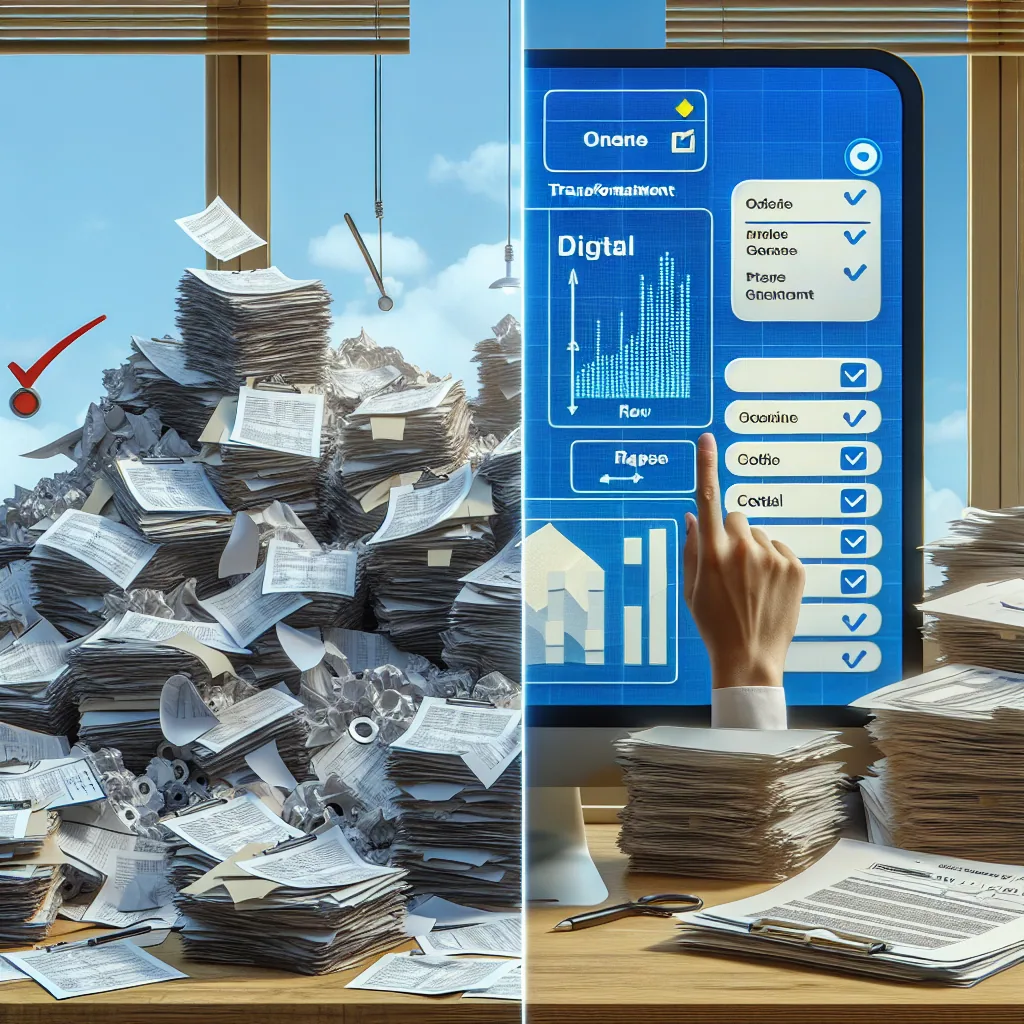
What information is worth reporting in production quality? (defects, costs, number of returns, corrections, etc.) — article on quality indicators
Advantages of Digital Production Quality Reporting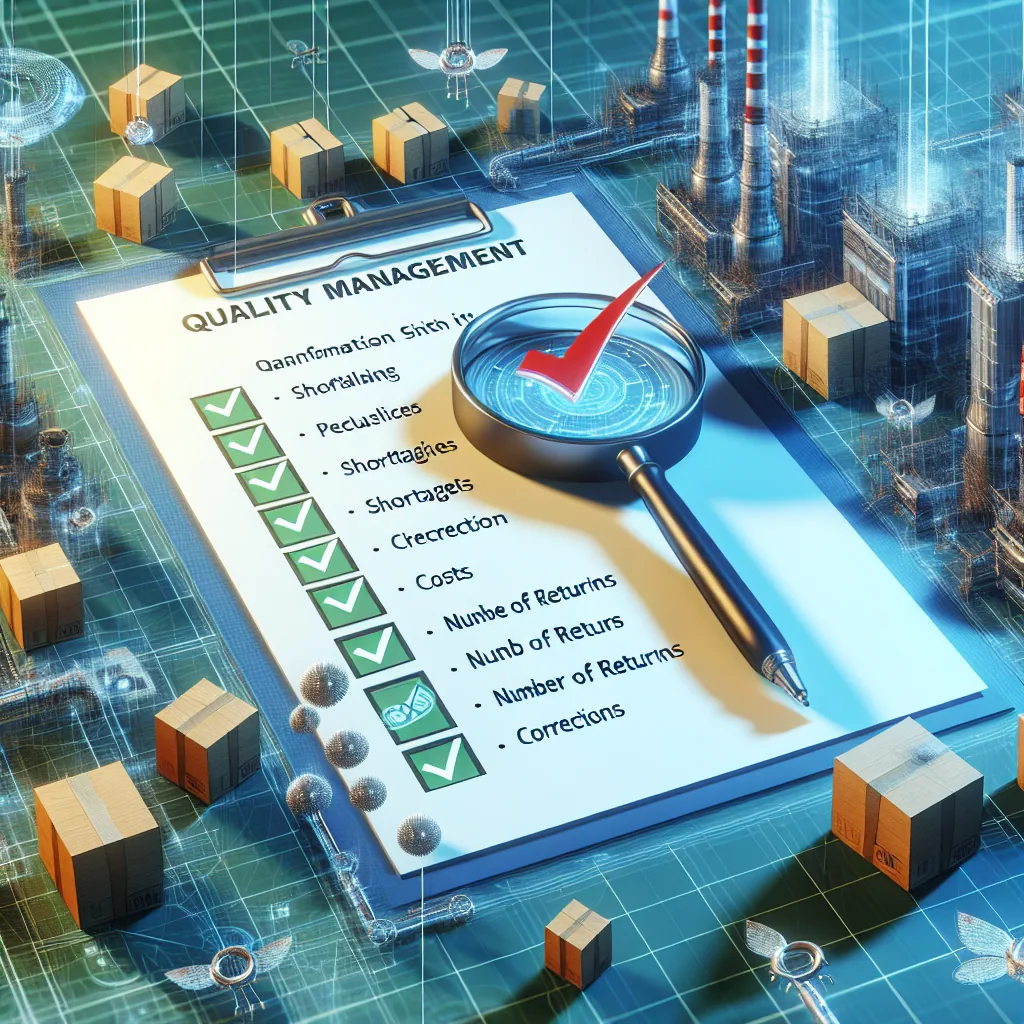
Case study – product defect catalog (a solution in which an employee uploads a photo and description of a defective product, and other employees can view it to learn what mistakes to avoid)
Case study – reporting corrections in an application allows real-time calculation of loss costs – a hypothetical story.
Analyzing data recorded on paper is a difficult task that undermines the efficiency of many companies. In the era of digital transformation and dynamic technological development, traditional methods of processing information are becoming not only outdated but also insufficient.
Obstacles in analyzing paper-based data include:
-
· Time-consuming nature: Managing paper documentation requires manual data entry into an accounting system or other databases. This process is not only time-consuming but also prone to errors.
-
· Difficulties in searching for information: Locating specific documents or information among stacks of paper takes significantly more time than with digitized data.
· Barriers to accessing and sharing information: While digital systems allow for easy data sharing between departments or even different locations, paper reports must be physically transferred or copied using a photocopier, which is less efficient and significantly increases the risk of losing important documents.
- · Storage and maintenance costs: Paper documents require not only physical space but also appropriate storage conditions, which entails additional costs.
Furthermore, paper as a medium is less environmentally sustainable compared to digital solutions. In response to growing environmental awareness, many companies are choosing to digitize their processes in order to minimize their impact on the environment.
The process of transitioning from paper-based systems to digital solutions not only simplifies work but also contributes to better quality management. Companies that opt for such a transformation gain a tool that enables rapid data analysis and its effective use. Of course, this change requires some initial investment; however, over time it yields significant savings and supports the long-term development of the business.
Measuring production efficiency is crucial for every company striving for sustainable development and digital transformation. Maintaining accurate and detailed reports makes it possible to identify areas requiring improvement and to implement the necessary changes. Below is an overview of what information should be included in a production quality report to ensure continuous development and process efficiency:
- Production defects: List all non-conformances and product incompletions leaving the production line. This is essential for analyzing the effectiveness of production processes.
- Production costs: Do not limit yourself to figures alone, but also develop an analysis of costs associated with faulty processes, as well as costs related to the need for corrections.
- Number of customer returns: Equally important is tracking the number of complaints and returns, which may indicate quality issues at the final stage.
- Number of corrections made: Accurately monitoring the number of corrections will not only help reduce their frequency in the future, but will also indicate the effectiveness of changes being introduced.
- Production lead time: Monitoring the time required to complete individual production stages can reveal potential stoppages and delays.
- Raw material quality: Analyzing the quality of materials used is indispensable for ensuring the high quality of the final product. This transformation from basic checklists to more advanced digital reports brings benefits such as increased transparency of production data, which over time facilitates the implementation of further technological improvements. Implementing digital reporting systems is also a step toward automation, enabling time savings and a reduction in the risk of errors.
Introducing advanced technology into quality monitoring and reporting is not only a sign of modernity, but also an essential element in shaping the future of industry. Today, the pace of technological evolution requires not only keeping up with developments, but also continuously adapting and learning from new solutions. Properly maintained reports are the foundation of this.
Introducing digital production quality reporting brings many benefits, facilitating the transition from traditional methods to modern, more sustainable solutions. Below are the key advantages of this transformation:
-
Improved data accuracy: Digital reports minimize the risk of errors that are common with manual data entry. In contrast to paper-based methods, digitization ensures that the information entered is precise and easy to verify.
-
Rapid access to information: Data from digital reports is available almost immediately after entry. In the same way, employees can quickly access the information they need, which accelerates decision-making processes.
-
Ease of data analysis: Digital tools enable automatic data analysis, allowing for a deeper understanding of processes and the identification of areas requiring improvement. As a result, the pace of company development increases significantly.
-
Cost reduction: Minimizing paper usage not only supports sustainable development but also reduces costs associated with storing physical documentation and the need to use a photocopier. Digital systems also eliminate the need for large-scale archiving.
-
Enhanced data security: Protecting information is crucial, and digital reports offer advanced security options that safeguard data against unauthorized access. In contrast to paper copies, digital documents can be protected more effectively.
-
Support for remote work: Digital reports can be easily shared and viewed remotely, which is especially important in a world where remote work is becoming the norm. Employees have access to the documents they need, regardless of their location.
In summary, the transformation toward digital quality reports not only represents progress in terms of efficiency and accuracy, but also promotes sustainable development practices. In contrast to traditional methods, it offers a range of benefits that significantly impact a company's success in an increasingly technology-driven world.
As part of the digital transformation, one of the key projects implemented by our company was the digitization of the product quality management process. Despite the many tools available on the market, we focused on creating an intuitive product defect catalog. Employees can now easily upload photos and descriptions of defective products in such a way that other team members can browse them. Importantly, this innovation has brought significant benefits.
Learning through observation:
– All employees learn from mistakes by analyzing existing cases.
– This increases their awareness and ability to avoid similar errors in the future.
Skills development:
– Systematically reviewing defective products fosters the growth of specialist knowledge.
– Employees gain confidence in identifying and addressing these errors.
In the same way, this initiative also increases the dynamism and quality of work.
– Instead of traditional reports, an interactive platform with documented cases leads to better understanding.
While many organizations still rely on paper checklists, we have successfully transitioned to digital solutions. This in turn facilitates knowledge management and sharing on a broad scale.
The digitization we have introduced not only contributes to better management of product defects, but also aligns with the sustainable development of the entire enterprise. Our approach focuses on long-term benefits that translate into increased competitiveness of the company on the market.
As a result, we can already see how significant the digitization of processes is in the context of technological evolution. All processes are now more transparent, and every employee can have an impact on improving product quality. Ultimately, this change fits perfectly with the needs of modern industry, where speed of access to information and its transparency play a key role.
The implementation of digital reporting at a company specializing in the production of intelligent photocopiers initiated significant changes in monitoring and managing repair and equipment maintenance costs. This story perfectly illustrates how the transition from paper checklists to a digital reporting system can contribute to the sustainable development of a business.
Before implementing the digital system:
– The company relied on paper forms to track faults, which frequently led to errors and delays.
– Reports were not updated in real time, which subsequently generated delays in decision-making.
– Calculating repair costs was difficult and time-consuming, which affected financial efficiency.
After implementing the digital reporting system:
– Data accuracy increased thanks to the automatic collection of fault information and its immediate updating.
– Technological changes contributed to faster problem identification and reduced resolution times.
– Downtime costs were monitored on an ongoing basis, enabling rapid analysis and optimization.
The use of new digitization tools also opened up the ability to track trends and improve production processes. These technologies, much like the dynamics of Industry 4.0, support continuous operational improvement. For example, access to real-time data enabled the application of advanced predictive analytics that prevent failures before they occur, thereby minimizing downtime and the associated financial losses.
While previously analyzing downtime took days, now, thanks to automation, it is a matter of minutes. The effect of this is that it is possible not only to respond quickly to current needs, but also to proactively manage future challenges.
The next step for the company is to implement intelligent analytics tools that will further increase operational efficiency. At the same time, employees can focus on more complex tasks, while routine reporting is automated.
This example shows how the digitization of company processes not only streamlines current operations, but also opens up new pathways for innovation and cost optimization — invaluable in a rapidly changing technological world.
Summary
The transition from paper checklists to a digital reporting system significantly enhances the operational efficiency of companies, globally accelerating their technological development. An increasing number of businesses are choosing to digitize their quality management processes, enabling near-instant access to detailed data and its analysis, thereby reducing the time and costs associated with traditional methods. This not only improves data accuracy but also supports sustainable development practices by minimizing paper usage. Additionally, digital reports enhance data security and enable more effective information sharing, which is crucial given the growing popularity of remote work. Digital transformation opens companies up to continuous improvement of production processes and knowledge management on a broad scale, representing an important step on the path toward the industry of the future.


