
How do digital applications and tools help reduce technical debt?
📋 Table of Contents

- Challenges with integrating new solutions and applications
- Process automation and IT infrastructure modernization
- Cloud migration – how does it reduce costs and improve scalability?
- Low-code and no-code platforms as a way to manage your business faster
- Organize your processes first – Process Management Application
In a rapidly evolving world of technology, reducing technical debt is becoming a critical factor for the growth and innovation of every modern organization. Integrating new solutions, automating processes, and modernizing IT infrastructure open the door to greater accessibility and operational efficiency. Cloud migration not only reduces costs but also enhances system scalability and security. Low-code and no-code platforms are transforming the way applications are designed and managed, enabling faster responses to changing market requirements. Transparent process management is becoming a foundation that supports continuous improvement and efficiency maximization. Discover how these innovations can contribute to a more efficient and integrated ecosystem, preparing your company for the challenges of the future.
-
Challenges with integrating new solutions and applications
-
Process automation and IT infrastructure modernization
-
Cloud migration – how does it reduce costs and improve scalability?
-
Low-code and no-code platforms as a way to manage your business faster
-
Organize your processes first – Process Management Application
Challenges with integrating new solutions and applications
Introducing new technologies into an existing IT system brings many benefits, but also creates challenges. The most commonly encountered problem is the difficulty of integrating new solutions and applications, which can significantly impact the efficiency and costs of the entire undertaking.
While some companies operate within advanced ecosystems, others may struggle with outdated infrastructure, forcing them to modernize. In this context, understanding and managing these challenges becomes critical. Here are some common integration problems that companies must overcome:
-
Technology conflicts: New applications may not be compatible with existing systems. For example, legacy databases may not work effectively with modern cloud-based applications.
-
Security issues: Introducing new technologies often requires opening systems up to additional risk. Secure integration requires the use of modern security solutions.
-
Integration costs: Costs can escalate quickly if new solutions require specialized adapters or additional software for integration.
-
Employee resistance: Changes may be met with reluctance from employees who are accustomed to older systems. Education and appropriate training are essential to ensure a smooth transition.
-
Project delays: Integration issues can stretch project timelines, which in turn affects performance and service availability.
Despite these challenges, properly managed integration is key to reducing technical debt. It enables not only the modernization of existing systems, but also the introduction of innovations that deliver tangible business benefits.
Therefore, early identification of potential integration issues and a focus on strategies to overcome them is a critical element of technical debt management. In this way, companies manage not only to avoid delays, but also to foster greater creativity and growth in the area of modern technologies.
Process automation and IT infrastructure modernization
Process automation and IT infrastructure modernization are key steps in reducing technical debt. By adopting modern technologies, organizations can significantly improve system performance and enhance security and availability.
Managing legacy systems and applications often requires a time-consuming, manual approach. Automating these processes enables:
reducing the time required for routine tasks,
eliminating errors caused by the human factor,
improving data consistency across the entire system,
significantly enhancing security by eliminating the risk of manual errors.
The advancement of modern IT solutions also has a direct impact on the speed at which new features are introduced and integrated. Implementing systems that are easier to operate and modify increases the creativity and efficiency of development teams.
Designing and deploying modern solutions is unthinkable without the support of advanced tools such as GitHub. Code platforms and repositories make it possible to:
track progress in ongoing work,
manage project versions,
collaborate internationally without communication barriers.
Educating IT teams on the latest technologies is also a significant element that cannot be overlooked. Training and courses provide quick access to the specialized knowledge needed to effectively leverage modern IT systems.
IT infrastructure modernization offers more than just the benefits of faster, more efficient work. It also shapes the future of organizations, which — thanks to modern technologies — can build a lasting competitive advantage.
In summary, IT system automation and modernization are steps that bring numerous benefits to every company. They not only raise the standard of work, but also help prepare the infrastructure for future market challenges. In the same way, they ensure the systematic development and updating of the tools in use, which is essential for maintaining a strong market position.
Cloud migration – how does it reduce costs and improve scalability?
By moving business operations to the cloud, companies can see a significant impact on cost reduction and improved scalability of their operations.
Cloud migration minimizes the need to invest in expensive server hardware, meaning companies can reduce capital expenditure. Instead of purchasing, maintaining, and upgrading their own infrastructure, they pay only for what they actually use through a subscription-based model. As a result, operating costs become more predictable and easier to manage.
Scalability also improves in the cloud, as systems can be quickly adjusted to meet changing business needs — the scale of operations can be easily increased or decreased depending on current demand, which is particularly valuable in sectors with high demand variability.
Here are some of the key benefits of cloud migration:
-
Cost reduction: Elimination of hardware expenditure, lower energy costs, and reduced technical staffing requirements.
-
Cost flexibility: The ability to tailor services and infrastructure to current needs eliminates unnecessary spending.
-
Speed and scalability: Easy adaptation to growing or shrinking demand without the need for time-consuming system upgrades.
The adoption of cloud technology also has a positive impact on data security and availability. Thanks to redundant solutions and advanced security protocols, the risk of data loss is significantly lower than with traditional IT infrastructure.
On one hand, the migration process may seem challenging; nevertheless, the benefits of cloud adoption frequently outweigh the initial difficulties. In the same way, cloud technology continues to advance, constantly offering new opportunities to improve efficiency and drive innovation within enterprises.
Today, more and more companies are taking this step, recognizing that in the long term it is a worthwhile investment in the future of their business.
Low-code and no-code platforms as a way to manage your business faster

In a world where technological advancement is driving business transformation, low-code and no-code platforms are emerging as key solutions for companies looking to rapidly modify their processes. They enable users — even those without deep programming skills — to create applications and systems that meaningfully increase productivity and efficiency.
On one hand, the main advantage of low-code/no-code platforms lies in the significant reduction of time required for system design and deployment. On the other hand, companies can direct more resources toward creativity and innovation, rather than investing too much time in manual coding. Here are some of the key benefits of adopting these technologies:
-
Shorter product development time: These tools enable rapid prototyping and iterative system modification, effectively supporting the development of new products.
-
Greater accessibility and usability: These platforms are typically intuitive to use, which means more people within the organization can directly participate in building and managing applications.
-
Lower implementation costs: Fewer resources needed for coding means reduced expenditure on specialized development teams.
Additionally, tools such as GitHub offer integration with low-code/no-code platforms, making code management and team collaboration even more efficient. This is an example of how modern technologies integrate to create a synergistic ecosystem that supports project modernization and data security.
For example, such platforms have a significant impact on the speed at which new systems are adopted within a company, which is extremely important in the face of constantly changing market requirements and customer experience expectations. As a result, they are not merely tools, but strategic assets in building the competitive advantage of any modern organization.
Nor can the impact these platforms have on the education of business users be ignored — enabling them to better understand the capabilities that modern technologies offer in the context of their day-to-day tasks. This in turn fosters a culture of innovation throughout the entire organization. Ultimately, effective use of these tools translates into a greater ability for companies to adapt and grow within a dynamic business environment.
Organize your processes first – Process Management Application
In the digital age, process management is no longer a challenge that can be overlooked — especially when it comes to effectively reducing technical debt. By understanding the impact of using advanced process management applications, organizations can significantly improve their operations and strengthen their competitive position in the market.
Applications designed for process management streamline various aspects of business operations. The most important features include:
Automation of repetitive tasks – applications eliminate the need for manual execution of many everyday operations, allowing employees to focus on more valuable projects.
Workflow optimization – by tracking and analyzing data in real time, these applications identify bottlenecks in processes and suggest ways to improve them.
Centralization of information – all data is stored in one place, making it easier to access and manage, while enhancing the security and availability of information within the organization.
To illustrate, tools such as GitHub are useful not only in the context of writing code, but also for effective collaboration on shared projects — enabling dynamic product development and improved team communication. Once all processes run more smoothly, the company can more easily adapt to evolving technologies and market requirements.
By adopting modern applications, companies significantly reduce the time spent on manual task execution, which — unlike traditional methods — delivers faster and more efficient results. At the same time, systematic monitoring and analysis of processes using digital tools, such as dashboards and real-time reporting, enables continuous operational improvement.
In summary, using process management applications is essential for companies that wish to eliminate technical debt. It not only optimizes every operational aspect, but also opens the door to leveraging modern technologies and methods — such as automation and big data analytics — which are undoubtedly the future of every thriving organization. Such tools, as mentioned above, combined with smart planning and execution, can fundamentally transform the way companies tackle the challenges of the modern world.
Summary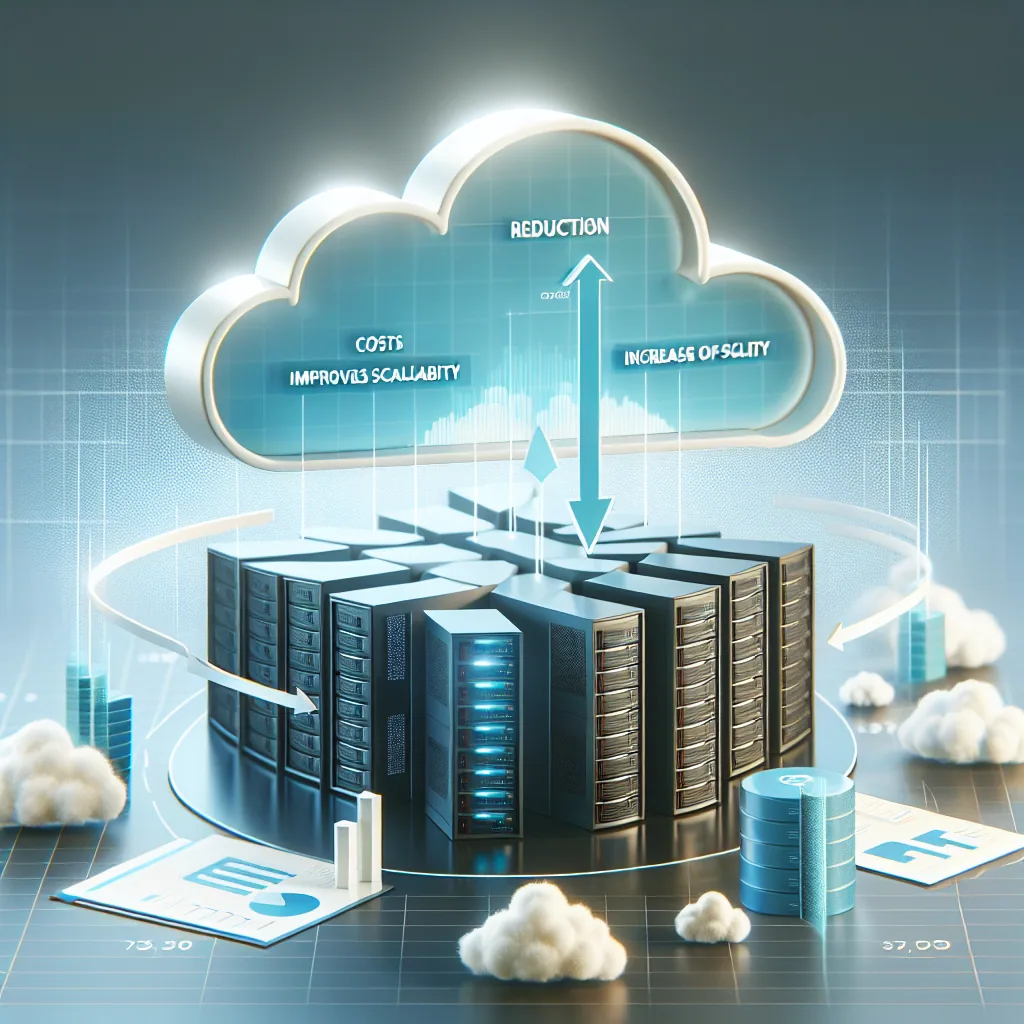
Digital applications and tools play a critical role in reducing technical debt through process automation, IT infrastructure modernization, and the migration of operations to the cloud. Integrating modern solutions with existing IT systems — despite challenges such as technology conflicts and costs — is essential for improving system efficiency, security, and availability. Tools such as GitHub support these processes by offering effective collaboration and code management. Low-code/no-code platforms enable rapid creation and modification of systems, boosting creativity and reducing deployment time. Implementing these innovations delivers tangible business benefits, including cost reduction, scalability flexibility, and improved analysis and management of business processes.


